
Trending Bestseller

Mind at Work and Play
No reviews yet Write a Review
Paperback / softback
5 October 2026
154 Pages
RRP: $67.99
$67.00
Hurry up! Current stock:

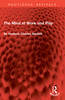
First published in 1951, The Mind at Work and Play consists of the 119th series of Christmas lectures given at The Royal Institution in 1948-49. The book raises some important questions like- how can the mind and its senses measure things accurately? What kinds of bodily movements can people make best, and how can a knowledge of these help the design of scientific apparatus and of the working tools and machines of everyday life? How does observation proceed and what are some of its limits? How do people come to connect one event with others? How is it that remembering gets all mixed up with observation, and what actually does happen to things that we try to remember? If you learn one subject or skill does this help or hinder us in learning others? What does the mind do when it “thinks”, and can it be trained to think?

Experiments which are within the range of anybody who is interested are described and some of the results that have been obtained from them are discussed. But the main hope is that many of those who may read the book will use it to direct exciting voyages of discovery which they can make for themselves.

You Can Find This Book In

    Book Details
    ISBN-13
    9781041077602
    Author
    Sir Frederic Charles Bartlett
    Publisher
    Taylor & Francis
    Published
    5 October 2026
    Format
    Paperback / softback
    Pages
    154

    This product hasn't received any reviews yet. Be the first to review this product!

    RRP: $67.99
    $67.00
    Hurry up! Current stock:

    Mind at Work and Play

    RRP: $67.99
    $67.00

    Description

    First published in 1951, The Mind at Work and Play consists of the 119th series of Christmas lectures given at The Royal Institution in 1948-49. The book raises some important questions like- how can the mind and its senses measure things accurately? What kinds of bodily movements can people make best, and how can a knowledge of these help the design of scientific apparatus and of the working tools and machines of everyday life? How does observation proceed and what are some of its limits? How do people come to connect one event with others? How is it that remembering gets all mixed up with observation, and what actually does happen to things that we try to remember? If you learn one subject or skill does this help or hinder us in learning others? What does the mind do when it “thinks”, and can it be trained to think?

    Experiments which are within the range of anybody who is interested are described and some of the results that have been obtained from them are discussed. But the main hope is that many of those who may read the book will use it to direct exciting voyages of discovery which they can make for themselves.

    You Can Find This Book In

      This Book Is Categorised As