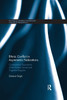
Scott Fitzsimmons argues that small mercenary groups must maintain a superior military culture to successfully engage and defeat larger and better-equipped opponents. By developing and applying competing constructivist and neorealist theories of military performance to four asymmetric wars in Angola and the Democratic Republic of Congo, he demonstrates how mercenary groups that strongly emphasize behavioral norms encouraging their personnel to think creatively, make decisions on their own, take personal initiative, communicate accurate information within the group, enhance their technical proficiency and develop a sense of loyalty to their fellow fighters will exhibit vastly superior tactical capabilities to other mercenary groups. Fitzsimmons demonstrates that although the victorious mercenary groups occasionally had access to weapon systems unavailable to their opponents, the balance of material capabilities fielded by the opposing military forces had far less influence on the outcome of these asymmetric conflicts than the culturally determined tactical behavior exhibited by their personnel.
To engage in terrorist activity, a militant group needs the determination and capability which are provided by its extremist ideology and organizational model. This book explains why terrorist groups...
In the last years of their existence, the Union of Soviet Socialist Republics (USSR) and the Socialist Federal Republic of Yugoslavia (SFRY) found themselves facing a similar and very grim state of...
The New Soldier is, in essence, a traditional soldier but one who is endowed with compassion, empathy and cultural understanding. This soldier is better able to navigate through the unknown terrain...