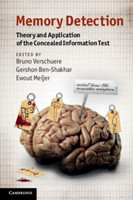
Traditional techniques for detecting deception, such as the 'lie-detector test' (or polygraph), are based upon the idea that lying is associated with stress. However, it is possible that people telling the truth will experience stress, whereas not all liars will. Because of this, the validity of such methods is questionable. As an alternative, a knowledge-based approach known as the 'Concealed Information Test' has been developed which investigates whether the examinee recognizes secret information - for example a crime suspect recognizing critical crime details that only the culprit could know. The Concealed Information Test has been supported by decades of research, and is used widely in Japan. This is the first book to focus on this exciting approach and will be of interest to law enforcement agencies and academics and professionals in psychology, criminology, policing and law.
Over 60% of individuals who pursue personal injury litigation malinger or show poor test taking motivation during formal assessment. Adequate detection of test taking motivation and malingered...
This book provides a comprehensive guide to detecting nondeterminism in shared memory parallel programs. It includes detailed explanations and case studies to help readers understand the complex...