Trending Bestseller

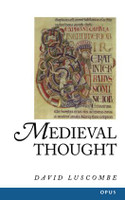
Medieval Thought

No reviews yet Write a Review
The Middle Ages span a period of well over a millennium: from the emperor Constantine's Christian conversion in 312 to the early sixteenth century. David Luscombe's history of Medieval Thought steers a clear path through this long period, beginning with the three greatest influences on medieval philosophy: Augustine, Boethius, and Pseudo-Denis, and focusing on Abelard, Anselm, Aquinas, Ockham, Duns Scotus, and Eckhart amongst others in the twelfth to fifteenth centuries.
Paperback / softback
01-July-1997
RRP: $94.95
$72.00
Ships in 3-5 business days
Hurry up! Current stock:
The Middle Ages span a period of well over a millennium: from the emperor Constantine's Christian conversion in 312 to the early sixteenth century. During this time there was remarkable continuity of thought, but there were also many changes made in different philosophies: various breaks, revivals, and rediscoveries. David Luscombe's history of Medieval Thought steers a clear path through this long period, beginning with the three greatest influences on medieval philosophy: Augustine, Boethius, and Pseudo-Denis, and focusing on Alcuin, Abelard, Anselm, Aquinas, Ockham, Duns Scotus, and Eckhart amongst others in the twelfth to fifteenth centuries. Medieval philosophy is widely regarded as having a theological and religious orientation, but more recently attention has been given to the early study of logic, language, and the philosophy of science. This history therefore gives a fascinating insight into medieval views on aspects such as astronomy, materialism, perception, and the nature of the soul.

This product hasn't received any reviews yet. Be the first to review this product!

RRP: $94.95
$72.00
Ships in 3-5 business days
Hurry up! Current stock:

Medieval Thought

RRP: $94.95
$72.00

Description

The Middle Ages span a period of well over a millennium: from the emperor Constantine's Christian conversion in 312 to the early sixteenth century. During this time there was remarkable continuity of thought, but there were also many changes made in different philosophies: various breaks, revivals, and rediscoveries. David Luscombe's history of Medieval Thought steers a clear path through this long period, beginning with the three greatest influences on medieval philosophy: Augustine, Boethius, and Pseudo-Denis, and focusing on Alcuin, Abelard, Anselm, Aquinas, Ockham, Duns Scotus, and Eckhart amongst others in the twelfth to fifteenth centuries. Medieval philosophy is widely regarded as having a theological and religious orientation, but more recently attention has been given to the early study of logic, language, and the philosophy of science. This history therefore gives a fascinating insight into medieval views on aspects such as astronomy, materialism, perception, and the nature of the soul.

Customers Also Viewed