

In the marine environment, single-celled, microscopic, plant-like organisms naturally occur in the well-lit surface layer of any body of water. These organisms, referred to as phytoplankton or microalgae, form the base of the food web upon which nearly all other marine organisms depend. Algal bloom is a rapid increase in or accumulation of the population of about 300 species of algae due to excess nutrients (eutrophication), and is of major global interest as it causes reduction in species diversity, abrupt changes in water quality, and discoloration of the water (green, yellow, brown or red) depending on the species of algae and the type of pigments they contain. Dying blooms can also be an environmental concern as when the cells sink and decay, bacteria break down the organic material, which in turn strips oxygen from the water. This microbial oxygen demand at times leads to very low oxygen levels in the bottom waters, harming aquatic life. Documentation of this sporadic high abundance of algae, together with the significant species richness of the diatoms, requires comprehensive studies in the Sundarban coastal environment, which is facing severe degradation due to natural & anthropogenic stressors. In addition, a better understanding of the effects of algal blooms on seafood quality, the complex biological, chemical and physical interactions and subsequent effects on trophodynamics is needed to develop strategies for effective coastal zone management.
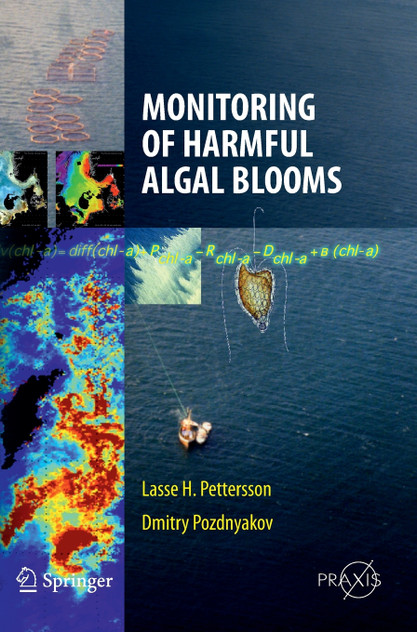
The book discusses the occurrence of harmful algal blooms (HABs) caused by the dinoflagellates of the genus Alexandrium and Karenia, or diatoms of the genus Pseudo-nitzschia, which have large and varied impacts on marine ecosystems (such as large-scale marine mortality events that have been associated with various types of shellfish poisonings) depending on the species involved, the environment where they are found, and the mechanism by which they exert negative effects. HABs represent a major environmental problem in all regions of the U.S., and their occurrence is on the rise due to increased nutrient pollution.
HABs have severe impacts on human health, aquatic ecosystems, and the economy. Such blooms, known colloquially as red tides due to their red or brown hues, are increasing in frequency and magnitude worldwide as a result of changes in oceanic climate, increased coastal eutrophication and enhanced long-distance dispersal in ballast water. As such, the book offers an in-depth account of the complex biological, chemical and physical interactions of the algal blooms (both innocuous and harmful ones). It also discusses the highly topical issue of the impact of global climate change on the frequency and severity of HABs in the context of alterations in temperature, stratification, light and ocean acidification.
Focusing on both basic and applied limnology, this book is a reliable and up-to-date reference resource for students, teachers and researchers engaged in the field of coastal research/management at regional and global scales.


Discover your next great read at BookLoop, Australia's trusted online bookstore offering a vast selection of titles across various genres and interests. Whether you're curious about what's trending or searching for graphic novels that captivate, thrilling crime and mystery fiction, or exhilarating action and adventure stories, our curated collections have something for every reader. Delve into imaginative fantasy worlds or explore the realms of science fiction that challenge the boundaries of reality.
For those with a green thumb, our comprehensive range of gardening books provides insights and tips for all levels of enthusiasts. If you're aiming to enhance your financial acumen, our selection of finance, business, and management books offers valuable knowledge from industry experts. Craft lovers will appreciate our assortment of handicrafts, decorative arts, and crafts books, perfect for inspiring your next project. Engage your mind with our collection of hobbies, quizzes, and games books, or explore the mystical with our fortune-telling and divination guides.
Transportation aficionados can immerse themselves in our extensive transportation books, including detailed works on road and motor vehicles. Young readers are not left out, with a delightful array of picture books and early learning concepts designed to educate and entertain. Fans of contemporary narratives will find compelling stories in our contemporary fiction section. Embark on epic journeys with our fantasy and science fiction titles, or gain inspiration from real-life tales in our biographies and true stories collection. Health-conscious readers can explore our health and wholefood cooking books, focusing on specific diets and conditions.
BookLoop proudly supports the educational needs of students and schools across Australia. Our textbook collection includes school books and teacher resources for every phase from primary school books, secondary school books, and essential titles for TAFE courses, vocational training, and university study. Each book is selected to align with curriculum outcomes and classroom needs, making it easy for schools and teachers to plan ahead.
From structured lesson planning to engaging student activities, our wide range of school books and teacher resources provides essential tools for educators. You’ll also find dedicated school and preschool teacher materials designed for early years education, classroom support, and intervention. Teachers can access a reliable selection of workbooks, literacy and numeracy programs, assessment tools, and professional development guides all in one place.
Support the earliest stages of education with our curated range of early childhood care and education books. These titles are ideal for early learning centres, preschools, and childcare settings, offering age-appropriate resources that build foundational skills in literacy, numeracy, and emotional development. Families and educators alike trust our resources for quality, clarity, and classroom effectiveness.
We make bulk school book orders simple and efficient. Schools, libraries, and early learning centres can rely on BookLoop for competitive pricing, fast shipping, and expert support when sourcing large quantities of textbooks and educational materials. Whether you’re restocking for a new term or ordering resources for an entire class, our bulk ordering system ensures convenience and accuracy every step of the way.
Explore our new releases for the most recent additions in romance books, fantasy books, graphic novels, crime and mystery books, science fiction books as well as biographies, cookbooks, self help books, tarot cards, fortunetelling and much more. With titles covering current trends, booktok and bookstagram recommendations, and emerging authors, BookLoop remains your go-to local australian bookstore for buying books online across all book genres.
Stay updated with the literary world by browsing our trending books, featuring the latest bestsellers and critically acclaimed works. Explore titles from popular brands like Minecraft, Pokemon, Star Wars, Bluey, Lonely Planet, ABIA award winners, Peppa Pig, and our specialised collection of ADHD books. At BookLoop, we are committed to providing a diverse and enriching reading experience for all.
If you have any questions before making a purchase chat with our online operators to get more information.
or find our Questions & Answers