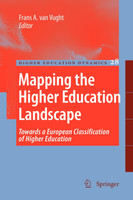
1 Diversity and differentiation in higher education. Frans van Vught. 1.1 Introduction. 1.2 Classical studies. 1.3 Recent perspectives. 1.4 Arguments in favour of diversity. 1.5 Studies on differentiation and diversity in higher education. 1.6 A theoretical framework for explaining differentiation and diversity in higher education systems. 1.7 Higher education research outcomes. 1.8 Conclusion. 2 Diversity in European higher education:historical trends and current policies. Jeroen Huisman & Frans van Vught. 2.1 Introduction. 2.2 A history of diversity in European higher education. 2.3 Emerging European policy contexts. 2.4 Diversity in the Bologna Process. 2.5 Diversity effects of EU policies. 2.6 Diversity in national higher education systems. 2.6.1 France. 2.6.2 Germany. 2.6.3 The Netherlands. 2.6.4 Norway. 2.6.5 United Kingdom. 2.7 Conclusion. 3 The search for transparency:convergence and diversity in the Bologna Process. Dirk Van Damme. 3.1 Introduction. 3.2 Convergence in the Bologna Process. 3.3 Convergence as similarity. 3.4 The risks of convergence. 3.5 The need for transparency. 3.6 Conclusion. 4 The European higher education classification:objectives and concepts. Jeroen Bartelse & Frans van Vught. 4.1 Introduction. 4.2 Objectives. 4.3 Classifications and typologies. 4.4 The Carnegie classification of higher education institutions. 4.5 Design principles. 4.6 The components of the European classification. 4.7 Conclusion: institutional profiles. 5 Rankings and classifications:the need for a multidimensional approach. Marijk van der Wende & Don Westerheijden. 5.1 Introduction. 5.2 Global competition, rankings and diversity. 5.3 A closer look at university rankings. 5.4 Limitations and methodological issues. 5.5 The impact of rankings on institutional and governmental policies. 5.6 Alternative approaches to ranking: best practice from Europe. 5.7 The Dutch-Flemish pilot with the CHE ranking. 5.8 Rankings, stratification and diversity. 5.9 Conclusion. 6 The European higher education classification: the design process. Frans Kaiser & Frans van Vught. 6.1 Introduction. 6.2 How to design a classification. 6.3 Designing the European classification of higher education institutions. 6.3.1 Phase 1: breaking the ground. 6.3.2 Phase 2: testing the ideas. 6.3.2.1 Exploring existing sources. 6.3.2.2 Case studies and pilot survey. 6.3.2.3 The classification survey. 6.3.2.4 Survey outcomes. 6.3.2.5 Using the survey data. 6.3.2.6 Interim conclusions. 6.3.3 Phase 3: crafting the tools. 6.4 Conclusion. 7 Using the classification in the European Higher Education Area. Sybille Reichert. 7.1 Introduction. 7.2 Institutional diversity: a challenge for the intertwined European higher education landscape. 7.3 The European Higher Education Area. 7.4 Potential use of the European higher education classification. 7.5 Conclusion. 8 Using the classification in the European Research Area. Christiane Gaehtgens & Rolf Peter. 8.1 Introduction. 8.2 Institutional diversity: feature of the integrating European research landscape. 8.3 The European Research Area. 8.4 Potential impact of the European higher education classification. 8.5 Conclusion. 9 Using the classification for institutional profiling:the Norwegian University of Science and Technology. Astrid Lægreid & Julie Feilberg. 9.1 Introduction. 9.2 NTNU - A complex institution. 9.3 NTNU's ambitions and strategy. 9.3.1 Why a new strategy? 9.3.2 NTNU's strategy to 2020. 9.4 Profiling NTNU as a new type of university. 9.5 The problem of rankings. 9.6 The European higher education classification and NTNU's strategic work. 9.7 NTNU's engagement in the classification project. 9.8 Conclusion. 10 Using the classification for institutional profiling: the University of Strathclyde. Peter West & Saskia Hansen. 10.1 Introduction. 10.2 Why
1 Diversity and differentiation in higher education. Frans van Vught. 1.1 Introduction. 1.2 Classical studies. 1.3 Recent perspectives. 1.4 Arguments in favour of diversity. 1.5 Studies on differentiation and diversity in higher education. 1.6 A theoretical framework for explaining differentiation and diversity in higher education systems. 1.7 Higher education research outcomes. 1.8 Conclusion. 2 Diversity in European higher education:historical trends and current policies. Jeroen Huisman & Frans van Vught. 2.1 Introduction. 2.2 A history of diversity in European higher education. 2.3 Emerging European policy contexts. 2.4 Diversity in the Bologna Process. 2.5 Diversity effects of EU policies. 2.6 Diversity in national higher education systems. 2.6.1 France. 2.6.2 Germany. 2.6.3 The Netherlands. 2.6.4 Norway. 2.6.5 United Kingdom. 2.7 Conclusion. 3 The search for transparency:convergence and diversity in the Bologna Process. Dirk Van Damme. 3.1 Introduction. 3.2 Convergence in the Bologna Process. 3.3 Convergence as similarity. 3.4 The risks of convergence. 3.5 The need for transparency. 3.6 Conclusion. 4 The European higher education classification:objectives and concepts. Jeroen Bartelse & Frans van Vught. 4.1 Introduction. 4.2 Objectives. 4.3 Classifications and typologies. 4.4 The Carnegie classification of higher education institutions. 4.5 Design principles. 4.6 The components of the European classification. 4.7 Conclusion: institutional profiles. 5 Rankings and classifications:the need for a multidimensional approach. Marijk van der Wende & Don Westerheijden. 5.1 Introduction. 5.2 Global competition, rankings and diversity. 5.3 A closer look at university rankings. 5.4 Limitations and methodological issues. 5.5 The impact of rankings on institutional and governmental policies. 5.6 Alternative approaches to ranking: best practice from Europe. 5.7 The Dutch-Flemish pilot with the CHE ranking. 5.8 Rankings, stratification and diversity. 5.9 Conclusion. 6 The European higher education classification: the design process. Frans Kaiser & Frans van Vught. 6.1 Introduction. 6.2 How to design a classification. 6.3 Designing the European classification of higher education institutions. 6.3.1 Phase 1: breaking the ground. 6.3.2 Phase 2: testing the ideas. 6.3.2.1 Exploring existing sources. 6.3.2.2 Case studies and pilot survey. 6.3.2.3 The classification survey. 6.3.2.4 Survey outcomes. 6.3.2.5 Using the survey data. 6.3.2.6 Interim conclusions. 6.3.3 Phase 3: crafting the tools. 6.4 Conclusion. 7 Using the classification in the European Higher Education Area. Sybille Reichert. 7.1 Introduction. 7.2 Institutional diversity: a challenge for the intertwined European higher education landscape. 7.3 The European Higher Education Area. 7.4 Potential use of the European higher education classification. 7.5 Conclusion. 8 Using the classification in the European Research Area. Christiane Gaehtgens & Rolf Peter. 8.1 Introduction. 8.2 Institutional diversity: feature of the integrating European research landscape. 8.3 The European Research Area. 8.4 Potential impact of the European higher education classification. 8.5 Conclusion. 9 Using the classification for institutional profiling:the Norwegian University of Science and Technology. Astrid Lægreid & Julie Feilberg. 9.1 Introduction. 9.2 NTNU - A complex institution. 9.3 NTNU's ambitions and strategy. 9.3.1 Why a new strategy? 9.3.2 NTNU's strategy to 2020. 9.4 Profiling NTNU as a new type of university. 9.5 The problem of rankings. 9.6 The European higher education classification and NTNU's strategic work. 9.7 NTNU's engagement in the classification project. 9.8 Conclusion. 10 Using the classification for institutional profiling: the University of Strathclyde. Peter West & Saskia Hansen. 10.1 Introduction. 10.2 Why
This edited collection interrogates notions of curriculum, inclusivity, diversity, and cultures of learning in higher education from a variety of cultural backgrounds and educational perspectives.
The post-millennial vision of nineteenth century America led to greater educational opportunities for women, but these were focused on women's domestic efficacy in developing ""messianic mothers"" to...
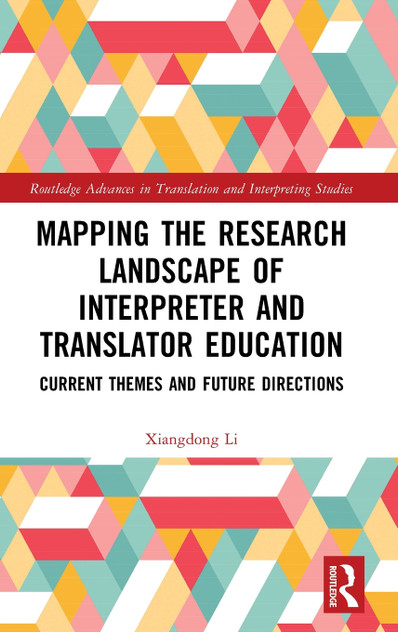
Xiangdong Li explores research themes in interpreter and translator education based on a systematic review of more than twenty years of research in the field.
This volume explores the complex relations between norms and exemplars of genres from business and technical communication. Contributors compare a variety of types of norm with textual practices in a...
Discover your next great read at BookLoop, Australiand online bookstore offering a vast selection of titles across various genres and interests. Whether you're curious about what's trending or searching for graphic novels that captivate, thrilling crime and mystery fiction, or exhilarating action and adventure stories, our curated collections have something for every reader. Delve into imaginative fantasy worlds or explore the realms of science fiction that challenge the boundaries of reality. Fans of contemporary narratives will find compelling stories in our contemporary fiction section. Embark on epic journeys with our fantasy and science fiction titles,
Shop Trending Books and New Releases
Explore our new releases for the most recent additions in romance books, fantasy books, graphic novels, crime and mystery books, science fiction books as well as biographies, cookbooks, self help books, tarot cards, fortunetelling and much more. With titles covering current trends, booktok and bookstagram recommendations, and emerging authors, BookLoop remains your go-to local australian bookstore for buying books online across all book genres.
Shop Best Books By Collection
Stay updated with the literary world by browsing our trending books, featuring the latest bestsellers and critically acclaimed works. Explore titles from popular brands like Minecraft, Pokemon, Star Wars, Bluey, Lonely Planet, ABIA award winners, Peppa Pig, and our specialised collection of ADHD books. At BookLoop, we are committed to providing a diverse and enriching reading experience for all.
Buy Educational Books and Textbooks Online at BookLoop
Shop School Textbooks for Primary, Secondary, and Higher Education
At BookLoop, we make it easy to buy school textbooks online in Australia for every stage of learning. Our extensive
textbook collection includes curriculum-aligned primary school books,
secondary school books, and resources for TAFE courses, vocational training, and university studies.
Each title is selected for accuracy, quality, and alignment with the Australian Curriculum, supporting teachers, students, and schools across the country. Whether you’re preparing for exams, classroom learning, or distance education, BookLoop’s range of educational books ensures your students have the right materials to succeed.
Teacher Resources, Classroom Tools and Professional Learning
Empower your teaching with teacher resources and classroom support materials from BookLoop.
Our collection includes lesson planning guides, literacy and numeracy workbooks, STEM education resources, and assessment tools that help educators deliver engaging, effective learning experiences.
We also stock a wide selection of preschool and early years education books tailored to early childhood development, classroom management, and student wellbeing.
Teachers can access everything from professional development books to interactive classroom activities — all carefully curated to enhance teaching outcomes and student success.
Educational Books and Learning Resources for Every Subject
Find educational books for students across a variety of subjects including English, Mathematics, Science, History, Geography, and the Arts.
BookLoop partners with trusted Australian publishers to provide up-to-date resources that meet classroom requirements and support independent learning.
Whether you’re a school administrator sourcing bulk textbook orders, a parent preparing for the new term, or a teacher updating your classroom library, BookLoop is your one-stop online bookstore for all education and teaching materials.
Sign In
your cart
Your cart is empty
Menu
Search
PRE-SALES
If you have any questions before making a purchase chat with our online operators to get more information.