Literary Translation and the Rediscovery of Reading
The act of translation is perhaps the ultimate performance of reading. By translating a text translators rework the source text into a reflection of their reading experience. In fact all reading is translation, as each reader incorporates associations and responses into the reading process. Clive Scott argues that the translator needs new linguistic resources to do justice to the intricacies of the reading consciousness, and explores different ways of envisaging the translation of a literary work, not only from one language to another, but also from one form to another within the same language. With examples drawn from different literatures, including English, this exciting new departure in translation theory has much to offer to students of literature and of comparative literary criticism. It also encourages all readers of literature to become translators in their turn, to use translation to express and give shape to their encounters with texts.
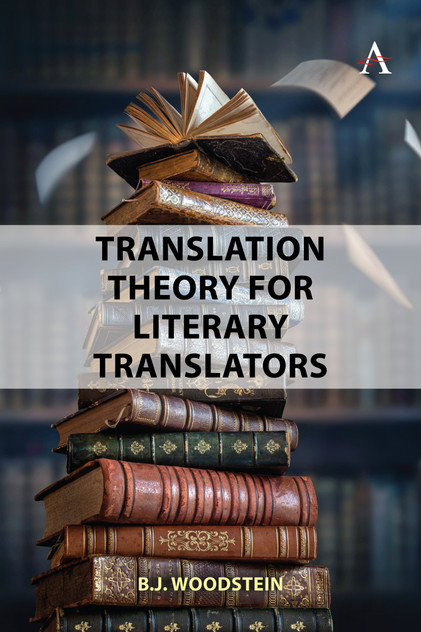
Do translation theorists observe what translators do and develop theories based on that? Do translators gain ideas and tools from studying theories? Or does it go both ways? Or is it neither, and...
This book explores the role of gender in male- and female-produced efforts to translate a Chinese novel into English. Adopting the CDA framework and corpus methodology, the study examines the...