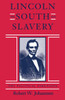
Walter Lynwood Fleming Lectures in Southern HistoryIn 1858, Abraham Lincoln declared his hatred for the institution of slavery, likening his feelings of opposition to those of the abolitionists. Although the fact that Lincoln always disliked slavery is indisputable, the idea that he always opposed it with the zeal and fervor of the abolitionists remains questionable. Only four years prior to his bold declaration, Lincoln admittedly paid little attention to slavery, viewing it as only a minor issue. But in the six years preceding his presidency, his antislavery stance underwent dramatic change. Fueled by political ambition, Lincoln's argument against slavery and his prescription for dealing with it moved from what he initially labeled a middle-ground stance to a more radical position. Robert W. Johannsen's Lincoln, the South, and Slavery traces the political dimension of Lincoln's antislavery stance as it evolved from the passage of the Kansas-Nebraska Act in 1854 to his election as president in 1860.Whereas previous scholars have largely ignored the political character of Lincoln's antislavery argument, Johannsen sees Lincoln as an astute and ambitious politician whose statements where shaped and directed by the time's ever-changing political exigencies and considerations. Johannsen does not demean the quality of Lincoln's sincerity or downgrade the importance of his moral convictions on the slavery issue, but he does suggest that politics played a larger role than previously acknowledged in the form these convictions took.The four chapters that compose this work connect Lincoln's position with his attitude toward the South and Southerners, from his initial appeal to Southerners at a time when he sought to revitalize the dying Whig party, through his deepening involvement in the Republican party, to his final belief that the South and Southern interests no longer needed to be considered as factors determining his national political success. Johannsen focuses on Lincoln's debut in 1854 as an antislavery speaker, on the development of his stand for the ultimate extinction of slavery, on his espression of the doctrine of the irrepressible conflict, and finally on Lincoln's and the South's perceptions of each other in 1860.As no other work has done, Lincoln, the South, and Slavery shows how Lincoln, in response to the demands of politics, became increasingly anti-slavery and anti-Southern during the 1850s. It will be a welcome contribution to the ongoing debate about the enigma of Lincoln and about his role in the coming of the Civil War.
Walter Lynwood Fleming Lectures in Southern HistoryIn 1858, Abraham Lincoln declared his hatred for the institution of slavery, likening his feelings of opposition to those of the abolitionists. Although the fact that Lincoln always disliked slavery is indisputable, the idea that he always opposed it with the zeal and fervor of the abolitionists remains questionable. Only four years prior to his bold declaration, Lincoln admittedly paid little attention to slavery, viewing it as only a minor issue. But in the six years preceding his presidency, his antislavery stance underwent dramatic change. Fueled by political ambition, Lincoln's argument against slavery and his prescription for dealing with it moved from what he initially labeled a middle-ground stance to a more radical position. Robert W. Johannsen's Lincoln, the South, and Slavery traces the political dimension of Lincoln's antislavery stance as it evolved from the passage of the Kansas-Nebraska Act in 1854 to his election as president in 1860.Whereas previous scholars have largely ignored the political character of Lincoln's antislavery argument, Johannsen sees Lincoln as an astute and ambitious politician whose statements where shaped and directed by the time's ever-changing political exigencies and considerations. Johannsen does not demean the quality of Lincoln's sincerity or downgrade the importance of his moral convictions on the slavery issue, but he does suggest that politics played a larger role than previously acknowledged in the form these convictions took.The four chapters that compose this work connect Lincoln's position with his attitude toward the South and Southerners, from his initial appeal to Southerners at a time when he sought to revitalize the dying Whig party, through his deepening involvement in the Republican party, to his final belief that the South and Southern interests no longer needed to be considered as factors determining his national political success. Johannsen focuses on Lincoln's debut in 1854 as an antislavery speaker, on the development of his stand for the ultimate extinction of slavery, on his espression of the doctrine of the irrepressible conflict, and finally on Lincoln's and the South's perceptions of each other in 1860.As no other work has done, Lincoln, the South, and Slavery shows how Lincoln, in response to the demands of politics, became increasingly anti-slavery and anti-Southern during the 1850s. It will be a welcome contribution to the ongoing debate about the enigma of Lincoln and about his role in the coming of the Civil War.
Slavery and the American SouthEdited by Winthrop D. JordanWith essays and commentaries by Roger D. Abrahams, William Dusinberre, Laura F. Edwards, Annette Gordon-Reed, Ariela Gross, Walter Johnson,...
Part II of the Marian Publication series, "The Conflict Between the North and the South." The issue of slavery is examined from a Catholic perspective of authority and servitude, and how both are...
Discover your next great read at BookLoop, Australiand online bookstore offering a vast selection of titles across various genres and interests. Whether you're curious about what's trending or searching for graphic novels that captivate, thrilling crime and mystery fiction, or exhilarating action and adventure stories, our curated collections have something for every reader. Delve into imaginative fantasy worlds or explore the realms of science fiction that challenge the boundaries of reality. Fans of contemporary narratives will find compelling stories in our contemporary fiction section. Embark on epic journeys with our fantasy and science fiction titles,
Shop Trending Books and New Releases
Explore our new releases for the most recent additions in romance books, fantasy books, graphic novels, crime and mystery books, science fiction books as well as biographies, cookbooks, self help books, tarot cards, fortunetelling and much more. With titles covering current trends, booktok and bookstagram recommendations, and emerging authors, BookLoop remains your go-to local australian bookstore for buying books online across all book genres.
Shop Best Books By Collection
Stay updated with the literary world by browsing our trending books, featuring the latest bestsellers and critically acclaimed works. Explore titles from popular brands like Minecraft, Pokemon, Star Wars, Bluey, Lonely Planet, ABIA award winners, Peppa Pig, and our specialised collection of ADHD books. At BookLoop, we are committed to providing a diverse and enriching reading experience for all.
Sign In
your cart
Your cart is empty
Menu
Search
PRE-SALES
If you have any questions before making a purchase chat with our online operators to get more information.