International climate change policy can be broadly divided into two periods: A first period, where a broad consensus was reached to tackle the risk of global warming in a coordinated global effort, and a second period, where this consensus was finally framed into a concrete policy. The first period started at the "Earth Summit" of Rio de Janeiro in 1992, where the United Nations Framework Convention on Climate Change (UNFCCC) was opened for signature. The UNFCCC was subsequently signed and ratified by 174 countries, making it one of the most accepted international rd treaties ever. The second period was initiated at the 3 Conference of the Parties (COP3) to the UNFCCC in Kyoto in 1997, which produced the Kyoto Protocol (KP). Till now, eighty-four countries have signed the Kyoto Protocol, but only twelve ratified it. A major reason for this slow ratification is that most operational details of the Kyoto Protocol were not decided in Kyoto but deferred to following conferences. This deferral of the details, while probably appropriate to initially reach an agreement, is a major stepping stone for a speedy ratification of the protocol. National policy makers and their constituencies, who would ultimately bear the cost of Kyoto, are generally not prepared to ratify a treaty that could mean anything, from an unsustainable strict regime of international control of greenhouse gases (GHGs) to an "L-regime" ofloopholes, or from a pure market-based international carbon trading to a regime of huge international carbon tax funds.
Law and Economics of International Climate Change Policy
RRP:
$227.00
Description
International climate change policy can be broadly divided into two periods: A first period, where a broad consensus was reached to tackle the risk of global warming in a coordinated global effort, and a second period, where this consensus was finally framed into a concrete policy. The first period started at the "Earth Summit" of Rio de Janeiro in 1992, where the United Nations Framework Convention on Climate Change (UNFCCC) was opened for signature. The UNFCCC was subsequently signed and ratified by 174 countries, making it one of the most accepted international rd treaties ever. The second period was initiated at the 3 Conference of the Parties (COP3) to the UNFCCC in Kyoto in 1997, which produced the Kyoto Protocol (KP). Till now, eighty-four countries have signed the Kyoto Protocol, but only twelve ratified it. A major reason for this slow ratification is that most operational details of the Kyoto Protocol were not decided in Kyoto but deferred to following conferences. This deferral of the details, while probably appropriate to initially reach an agreement, is a major stepping stone for a speedy ratification of the protocol. National policy makers and their constituencies, who would ultimately bear the cost of Kyoto, are generally not prepared to ratify a treaty that could mean anything, from an unsustainable strict regime of international control of greenhouse gases (GHGs) to an "L-regime" ofloopholes, or from a pure market-based international carbon trading to a regime of huge international carbon tax funds.
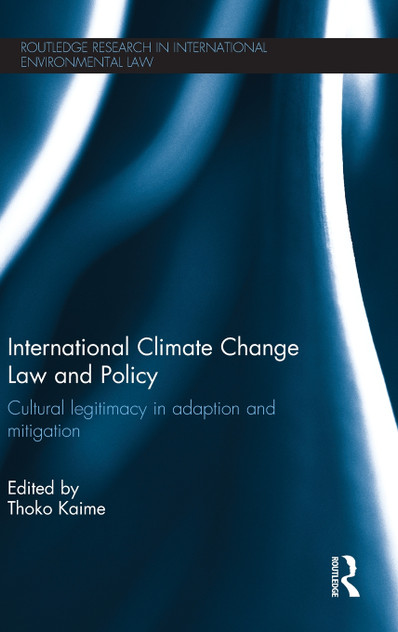
Climate change poses fundamental and varied challenges to all communities across the globe. The adaptation and mitigation strategies proposed by governments and non-governmental organisations are...
Focusing on systemic risks caused by climate change, this book examines how these risks can be effectively regulated to ensure resilience and avoid catastrophe.
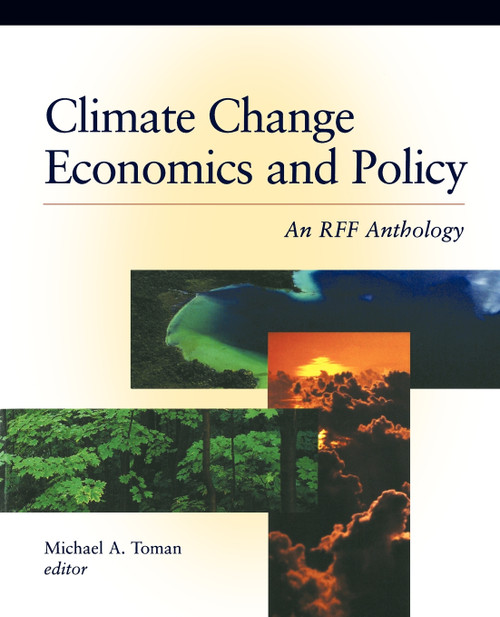
What are the potential adverse impacts of climate change? How can society determine the amount of protection against climate change that is warranted, given the benefits and costs of various...
Discover your next great read at BookLoop, Australiand online bookstore offering a vast selection of titles across various genres and interests. Whether you're curious about what's trending or searching for graphic novels that captivate, thrilling crime and mystery fiction, or exhilarating action and adventure stories, our curated collections have something for every reader. Delve into imaginative fantasy worlds or explore the realms of science fiction that challenge the boundaries of reality. Fans of contemporary narratives will find compelling stories in our contemporary fiction section. Embark on epic journeys with our fantasy and science fiction titles,
Shop Trending Books and New Releases
Explore our new releases for the most recent additions in romance books, fantasy books, graphic novels, crime and mystery books, science fiction books as well as biographies, cookbooks, self help books, tarot cards, fortunetelling and much more. With titles covering current trends, booktok and bookstagram recommendations, and emerging authors, BookLoop remains your go-to local australian bookstore for buying books online across all book genres.
Shop Best Books By Collection
Stay updated with the literary world by browsing our trending books, featuring the latest bestsellers and critically acclaimed works. Explore titles from popular brands like Minecraft, Pokemon, Star Wars, Bluey, Lonely Planet, ABIA award winners, Peppa Pig, and our specialised collection of ADHD books. At BookLoop, we are committed to providing a diverse and enriching reading experience for all.
Sign In
your cart
Your cart is empty
Menu
Search
PRE-SALES
If you have any questions before making a purchase chat with our online operators to get more information.