The birth of analytical electron microscopy (AEM) is somewhat obscure. Was it the recognition of the power and the development of STEM that signaled its birth? Was AEM born with the attachment of a crystal spectrometer to an otherwise conventional TEM? Or was it born earlier with the first analysis of electron loss spectra? It's not likely that any of these developments alone would have been sufficient and there have been many others (microdiffraction, EDS, microbeam fabrication, etc.) that could equally lay claim to being critical to the establishment of true AEM. It is probably more accurate to simply ascribe the present rapid development to the obvious: a combination of ideas whose time has come. Perhaps it is difficult to trace the birth of AEM simply because it remains a point of contention to even define its true scope. For example, the topics in this book, even though very broad, are still far from a complete description of what many call AEM. When electron beams interact with a solid it is well-known that a bewildering number of possible interactions follow. Analytical electron microscopy attempts to take full qualitative and quantitative advantage of as many of these interactions as possible while still preserving the capability of high resolution imaging. Although we restrict ourselves here to electron transparent films, much of what is described applies to thick specimens as well. Not surprisingly, signals from all possible interactions cannot yet (and probably never will) be attained simultaneously under optimum conditions.
The birth of analytical electron microscopy (AEM) is somewhat obscure. Was it the recognition of the power and the development of STEM that signaled its birth? Was AEM born with the attachment of a crystal spectrometer to an otherwise conventional TEM? Or was it born earlier with the first analysis of electron loss spectra? It's not likely that any of these developments alone would have been sufficient and there have been many others (microdiffraction, EDS, microbeam fabrication, etc.) that could equally lay claim to being critical to the establishment of true AEM. It is probably more accurate to simply ascribe the present rapid development to the obvious: a combination of ideas whose time has come. Perhaps it is difficult to trace the birth of AEM simply because it remains a point of contention to even define its true scope. For example, the topics in this book, even though very broad, are still far from a complete description of what many call AEM. When electron beams interact with a solid it is well-known that a bewildering number of possible interactions follow. Analytical electron microscopy attempts to take full qualitative and quantitative advantage of as many of these interactions as possible while still preserving the capability of high resolution imaging. Although we restrict ourselves here to electron transparent films, much of what is described applies to thick specimens as well. Not surprisingly, signals from all possible interactions cannot yet (and probably never will) be attained simultaneously under optimum conditions.
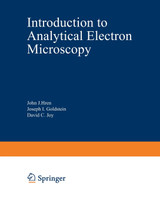
Since the publication in 1979 of Introduction to Analytical Electron Microscopy (ed. J. J. Hren, J. I. Goldstein, and D. C. Joy; Plenum Press), analytical electron microscopy has continued to evolve...
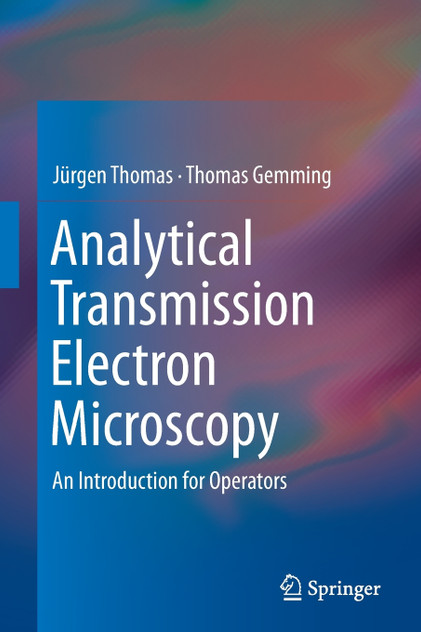
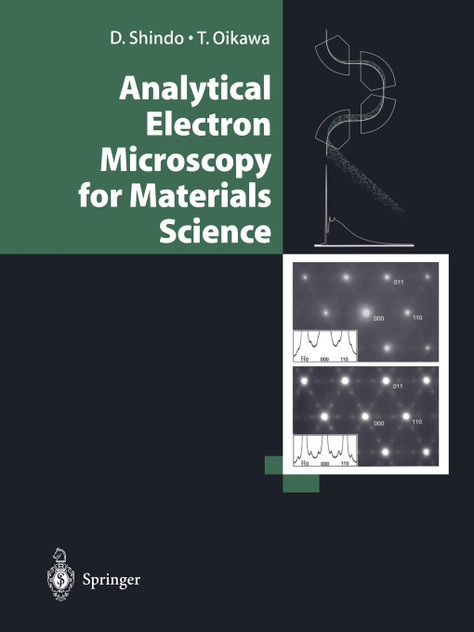
This work is based on experiences acquired by the authors regarding often asked questions and problems during manifold education of beginners in analytical transmission electron microscopy. These...
Analytical electron microscopy is one of the most powerful tools today for characterization of the advanced materials that support the nanotechnology of the twenty-first century. In this book the...
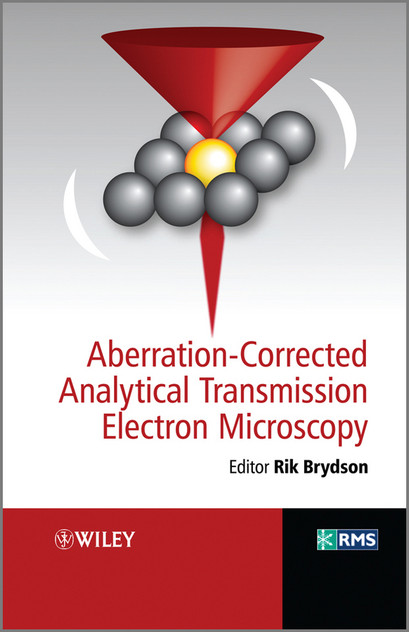
The book is concerned with the theory, background, and practical use of transmission electron microscopes with lens correctors that can correct the effects of spherical aberration. The book also...
Discover your next great read at BookLoop, Australiand online bookstore offering a vast selection of titles across various genres and interests. Whether you're curious about what's trending or searching for graphic novels that captivate, thrilling crime and mystery fiction, or exhilarating action and adventure stories, our curated collections have something for every reader. Delve into imaginative fantasy worlds or explore the realms of science fiction that challenge the boundaries of reality. Fans of contemporary narratives will find compelling stories in our contemporary fiction section. Embark on epic journeys with our fantasy and science fiction titles,
Shop Trending Books and New Releases
Explore our new releases for the most recent additions in romance books, fantasy books, graphic novels, crime and mystery books, science fiction books as well as biographies, cookbooks, self help books, tarot cards, fortunetelling and much more. With titles covering current trends, booktok and bookstagram recommendations, and emerging authors, BookLoop remains your go-to local australian bookstore for buying books online across all book genres.
Shop Best Books By Collection
Stay updated with the literary world by browsing our trending books, featuring the latest bestsellers and critically acclaimed works. Explore titles from popular brands like Minecraft, Pokemon, Star Wars, Bluey, Lonely Planet, ABIA award winners, Peppa Pig, and our specialised collection of ADHD books. At BookLoop, we are committed to providing a diverse and enriching reading experience for all.
Sign In
your cart
Your cart is empty
Menu
Search
PRE-SALES
If you have any questions before making a purchase chat with our online operators to get more information.