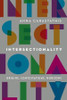
The concept of intersectionality considers the interconnected nature or overlap of multiple categorizations such as race, gender, sexual orientation, religion, socioeconomic class, and physical ability. For Black students already experiencing inequalities, being "Black and . . ." (female, queer, or another marginalized identity) can lead to encounters that further devalue their identities or leave them feeling unseen.
Intersectionality in Health Education seeks to prompt meaningful reflection on the current status of health education and to ultimately result in more equitable practices for all students. It will help health educators identify their implicit biases, examine how intersectionality is affecting Black students, and build classrooms where all students are seen and valued.
Through a collection of 10 case studies, Intersectionality in Health Education offers insights into the issues that students who identify as "Black and . . ." commonly face. The text, geared to health education teacher education (HETE) students as well as in-service teachers, does the following:
- Illuminates culturally aware teaching strategies that affirm the worth of "Black and . . ." students
- Amplifies crucial issues that negatively affect students with intersectional identities
- Addresses intentional or unconscious biases that harm Black youths, thus broadening the book's value beyond the sharing of teaching strategies
With a goal of generating a deeper understanding of how intersectionality creates complexities for Black students, the case studies in the book expose the disparities, racism, and other issues affecting students' well-being, self-worth, and positive experiences in the health classroom. Each case includes discussion prompts that lead the way to effective strategies and immediate implementation opportunities. Topics explored include the following:
- Self-awareness and social awareness in a predominantly white school environment
- Classroom climate and culturally responsive teaching
- The dilemma of Black health care access, socioecological factors, and social determinants of health
- Health education spaces created with Black and Brown girls in mind
- Perceptions, identity, and opportunities for Black males
Additionally, the text provides tips and guidance for writing your own case study. Through this experience, you will gain the opportunity to look at a scenario with the goal of observing and analyzing behaviors, reviewing theory and practices, and analyzing, problem solving, and promoting discussion on a given topic.
Intersectionality in Health Education will help preservice and in-service teachers adopt teaching practices that create a supportive, empathetic, and nurturing environment. In doing so, they can help validate "Black and . . ." students' self-worth and swing the pendulum toward a more equitable experience in health education for all students.