An industrial robot routinely carrying out an assembly or welding task is an impressive sight. More important, when operated within its design conditions it is a reliable production machine which - depending on the manufacturing process being automated - is relatively quick to bring into operation and can often repay its capital cost within a year or two. Yet first impressions can be deceptive: if the workpieces deviate somewhat in size or position, or, worse; if a gripper slips or a feeder jams the whole system may halt and look very unimpressive indeed. This is mainly because the sum total of the system's knowledge is simply a list of a few variables describing a sequence of positions in space; the means of moving from one to the next; how to react to a few input signals; and how to give a few output commands to associated machines. The acquisition, orderly retention and effective use of knowledge are the crucial missing techniques whose inclusion over the coming years will transform today's industrial robot into a truly robotic system embodying the 'intelligent connection of perception to action'. The use of computers to implement these techniques is the domain of Artificial Intelligence (AI) (machine intelligence). Evidently, it is an essential ingredient in the future development of robotics; yet the relationship between AI practitioners and robotics engineers has been an uneasy one ever since the two disciplines were born.
An industrial robot routinely carrying out an assembly or welding task is an impressive sight. More important, when operated within its design conditions it is a reliable production machine which - depending on the manufacturing process being automated - is relatively quick to bring into operation and can often repay its capital cost within a year or two. Yet first impressions can be deceptive: if the workpieces deviate somewhat in size or position, or, worse; if a gripper slips or a feeder jams the whole system may halt and look very unimpressive indeed. This is mainly because the sum total of the system's knowledge is simply a list of a few variables describing a sequence of positions in space; the means of moving from one to the next; how to react to a few input signals; and how to give a few output commands to associated machines. The acquisition, orderly retention and effective use of knowledge are the crucial missing techniques whose inclusion over the coming years will transform today's industrial robot into a truly robotic system embodying the 'intelligent connection of perception to action'. The use of computers to implement these techniques is the domain of Artificial Intelligence (AI) (machine intelligence). Evidently, it is an essential ingredient in the future development of robotics; yet the relationship between AI practitioners and robotics engineers has been an uneasy one ever since the two disciplines were born.
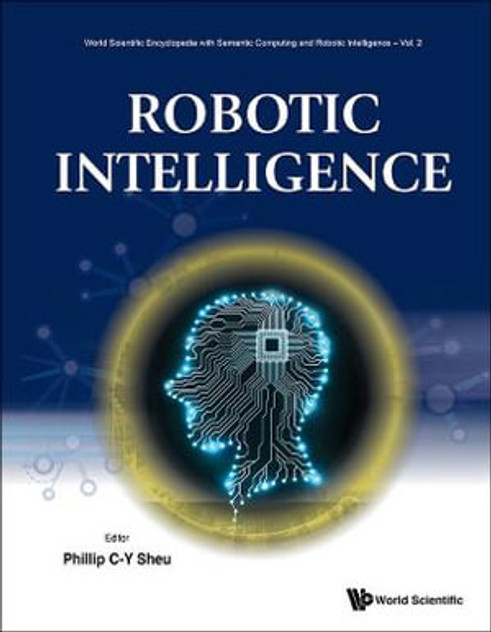
This volume aims to provide a reference to the development of robotic intelligence, built upon Semantic Computing, in terms of undefinedactionundefined to realize the undefinedcontextundefined and...
The 4-volume set LNAI 13013 - 13016 constitutes the proceedings of the 14th International Conference on Intelligent Robotics and Applications, ICIRA 2021, which took place in Yantai, China, during...
This book provides insights into research in the field of artificial intelligence in combination with robotics technologies. The integration of artificial intelligence and robotic technologies is a...
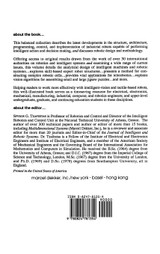
A multiplicity of techniques and angles of attack are incorporated in 18 contributions describing recent developments in the structure, architecture, programming, control, and implementation of...
Discover your next great read at BookLoop, Australiand online bookstore offering a vast selection of titles across various genres and interests. Whether you're curious about what's trending or searching for graphic novels that captivate, thrilling crime and mystery fiction, or exhilarating action and adventure stories, our curated collections have something for every reader. Delve into imaginative fantasy worlds or explore the realms of science fiction that challenge the boundaries of reality. Fans of contemporary narratives will find compelling stories in our contemporary fiction section. Embark on epic journeys with our fantasy and science fiction titles,
Shop Trending Books and New Releases
Explore our new releases for the most recent additions in romance books, fantasy books, graphic novels, crime and mystery books, science fiction books as well as biographies, cookbooks, self help books, tarot cards, fortunetelling and much more. With titles covering current trends, booktok and bookstagram recommendations, and emerging authors, BookLoop remains your go-to local australian bookstore for buying books online across all book genres.
Shop Best Books By Collection
Stay updated with the literary world by browsing our trending books, featuring the latest bestsellers and critically acclaimed works. Explore titles from popular brands like Minecraft, Pokemon, Star Wars, Bluey, Lonely Planet, ABIA award winners, Peppa Pig, and our specialised collection of ADHD books. At BookLoop, we are committed to providing a diverse and enriching reading experience for all.
Sign In
your cart
Your cart is empty
Menu
Search
PRE-SALES
If you have any questions before making a purchase chat with our online operators to get more information.