Seminar paper from the year 2011 in the subject Communications - Intercultural Communication, grade: 1,3, European University Viadrina Frankfurt (Oder) (Kulturwissenschaftliche Fakultät), course: Culture and Ethnicity, language: English, abstract: Within the last few years Germany has been confronted with a vast debate on integration policy. It was not until the year of 2005 that the first national integration law was enacted. Even though Germany has been an immigration country since the 1950s, the necessity of aspecific law framework has been neglected blindly for decades. Already in 2006 about 23% of the children born in Germany had at least one foreign parent (cf. Foroutan & Schäfer, 2009, p.12). The media still talk about "the migrant". But it finally has to reach people's minds that there is no clear distinction between "the German" and "the foreigner". In fact, the matter of identity has to be reconsidered. About 18.6% of Germany's overall population possess a migration background (cf. Wippermann & Flaig, 2009, p.3), which signifies, that these individuals face the challenge of cultural contradictory on a daily basis. The permanent negotiation of belonging characterizes the dichotomy between retention of the ethnic and adoption of the German culture. Hence, this phenomenon creates a specific kind of identity, the so called "third space", which in the present work I will refer to as hybrid identity. Theterms transnational and hyphenated identity are used synonymously in the relevant literature, but I will apply only to the former name to avoid any confusion. Moreover, this new kind of identity requires rethinking the concept of nationality and raises citizenship issues.The present work shall examine the phenomena of hybrid identity formation in detail: Under which criteria does it emerge and how is the synthesis of two cultural backgrounds depicted in everyday life? After introducing general findings on this topic, I will apply these aspects to the Turkish p
Seminar paper from the year 2011 in the subject Communications - Intercultural Communication, grade: 1,3, European University Viadrina Frankfurt (Oder) (Kulturwissenschaftliche Fakultät), course: Culture and Ethnicity, language: English, abstract: Within the last few years Germany has been confronted with a vast debate on integration policy. It was not until the year of 2005 that the first national integration law was enacted. Even though Germany has been an immigration country since the 1950s, the necessity of aspecific law framework has been neglected blindly for decades. Already in 2006 about 23% of the children born in Germany had at least one foreign parent (cf. Foroutan & Schäfer, 2009, p.12). The media still talk about "the migrant". But it finally has to reach people's minds that there is no clear distinction between "the German" and "the foreigner". In fact, the matter of identity has to be reconsidered. About 18.6% of Germany's overall population possess a migration background (cf. Wippermann & Flaig, 2009, p.3), which signifies, that these individuals face the challenge of cultural contradictory on a daily basis. The permanent negotiation of belonging characterizes the dichotomy between retention of the ethnic and adoption of the German culture. Hence, this phenomenon creates a specific kind of identity, the so called "third space", which in the present work I will refer to as hybrid identity. Theterms transnational and hyphenated identity are used synonymously in the relevant literature, but I will apply only to the former name to avoid any confusion. Moreover, this new kind of identity requires rethinking the concept of nationality and raises citizenship issues.The present work shall examine the phenomena of hybrid identity formation in detail: Under which criteria does it emerge and how is the synthesis of two cultural backgrounds depicted in everyday life? After introducing general findings on this topic, I will apply these aspects to the Turkish p
Since the collapse of the Soviet Union, nationality groups have claimed sovereignty in the new republics bearing their names. With the ascendance of these titular nationality groups, Russian speakers...
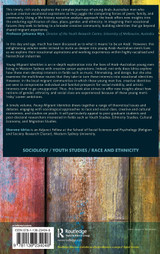
This book takes a close look at the experiences of migrant athletes, their precarious careers, and at what this can tell us about wider themes of globalisation, identity, race, gender, and the body.
Discover your next great read at BookLoop, Australiand online bookstore offering a vast selection of titles across various genres and interests. Whether you're curious about what's trending or searching for graphic novels that captivate, thrilling crime and mystery fiction, or exhilarating action and adventure stories, our curated collections have something for every reader. Delve into imaginative fantasy worlds or explore the realms of science fiction that challenge the boundaries of reality. Fans of contemporary narratives will find compelling stories in our contemporary fiction section. Embark on epic journeys with our fantasy and science fiction titles,
Shop Trending Books and New Releases
Explore our new releases for the most recent additions in romance books, fantasy books, graphic novels, crime and mystery books, science fiction books as well as biographies, cookbooks, self help books, tarot cards, fortunetelling and much more. With titles covering current trends, booktok and bookstagram recommendations, and emerging authors, BookLoop remains your go-to local australian bookstore for buying books online across all book genres.
Shop Best Books By Collection
Stay updated with the literary world by browsing our trending books, featuring the latest bestsellers and critically acclaimed works. Explore titles from popular brands like Minecraft, Pokemon, Star Wars, Bluey, Lonely Planet, ABIA award winners, Peppa Pig, and our specialised collection of ADHD books. At BookLoop, we are committed to providing a diverse and enriching reading experience for all.
Sign In
your cart
Your cart is empty
Menu
Search
PRE-SALES
If you have any questions before making a purchase chat with our online operators to get more information.