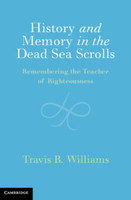
The nature and reliability of the ancient sources are among the most important issues in the scholarship on the Dead Sea Scrolls. It is noteworthy, therefore, that scholars have grown increasingly skeptical about the value of these materials for reconstructing the life of the Teacher of Righteousness. Travis B. Williams' study is designed to address this new perspective and its implications for historical inquiry. He offers an important corrective to popular conceptions of history and memory by introducing memory theory as a means of informing historical investigation. Charting a new methodological course in Dead Sea Scrolls research, Williams reveals that properly representing the past requires an explanation of how the mnemonic evidence found in the relevant sources could have developed from a historical progression that began with the Teacher. His book represents the first attempt in Dead Sea Scrolls scholarship to integrate history and memory in a comprehensive way.
Embark on an exhilarating journey through the ancient world with "The History and Implications of the Dead Sea Scrolls." Delve into the fascinating realm of documents written before, during, and...
Unraveling the controversies surrounding the Dead Sea ScrollsSince they were first discovered in the caves at Qumran in 1947, the Dead Sea Scrolls have aroused more fascination-and controversy-than...
Best-selling book on the Scrolls, updated to reflect current scholarship and recent debates The premier Dead Sea Scrolls primer ever since its original publication in 1994, James VanderKam's Dead Sea...