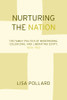
Fearing that the future of the nation was at stake following the First World War, German policymakers vastly expanded social welfare programs to shore up women and families. Just over a decade later, the Nazis seized control of the state and created a radically different, racially driven gender and family policy. This book explores Weimar and Nazi policy to highlight the fundamental, far-reaching change wrought by the Nazis and the disparity between national family policy design and its implementation at the local level. Relying on a broad range of sources - including court records, sterilization files, church accounts, and women's oral histories - it demonstrates how local officials balanced the benefits of marriage, divorce, and adoption against budgetary concerns, church influence, and their own personal beliefs. Throughout both eras individual Germans collaborated with, rebelled against, and evaded state mandates, in the process fundamentally altering the impact of national policy.
Dieses Buch von Julius Neumann gibt Einblick in die Komplexität der nationalen Identitäten und die homogenisierende Natur einer Nation. Es ist eine lesenswerte Arbeit, für alle, die sich für die...
Purifying the Nation is a provocative exploration of the Holocaust in World War II Romania. Vladimir Solonari argues that the persecution of Jews and Roma by the Romanian government was not a...
Focusing on gender and the family, this erudite and innovative history reconsiders the origins of Egyptian nationalism and the revolution of 1919 by linking social changes in class and household...
Studienarbeit aus dem Jahr 2009 im Fachbereich Geschichte Deutschlands - Nachkriegszeit, Kalter Krieg, Note: 2,0, Universität Konstanz, Veranstaltung: Hauptseminar: Die sozialistische Stadt, Sprache:...