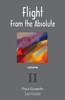
Sometimes a small change in the way we define a basic term can have major repercussions on the way we look at the world around us. What happens, for example, if you change the way you look at concepts such as "religion" or "myth"? How might this affect the way we perceive forces shaping the modern and postmodern West? While chapter 1 pursues postmodernism's ethical implications, the issue of euthanasia and the fate reserved for those deemed "unproductive" or incapable of self-fulfilment, following chapters look at a fundamental question: Can a society function without myth? Modern ideologues claim that by the twentieth century much of the West had finally escaped the prison of religion. Many educated Westerners view themselves as secular, free of religion and myth. But this conflicts with an observation supplied by Social Anthropology, that myth is inevitable and plays a critical role in the development of any civilization.This volume looks at a fundamental issue, re-examining the materialistic cosmology shared by modern and postmodern belief systems. It takes a deconstructive look at a cultural monument that many would consider untouchable, that is the theory of evolution. Flight v2 looks at this issue from two angles. First, that of Social Anthropology, asking questions such as: What roles do origins myths play in society? How do they "make sense" of the world? Can parallels be drawn between myth and the theory of evolution? Secondly, we examine parallels between the way myths gain prestige (and shield their beliefs from criticism) and how evolution is marketed. To grasp how evolution's sacred aura has been built up, advances in philosophy of science are examined. For example, when evolutionists oppose criticism of evolution in education, claiming that evolution is science, what does this really mean? If we bring a restricted definition of science into the origins debate, what might be the repercussions?
Sometimes a small change in the way we define a basic term can have major repercussions on the way we look at the world around us. What happens, for example, if you change the way you look at concepts such as "religion" or "myth"? How might this affect the way we perceive forces shaping the modern and postmodern West? While chapter 1 pursues postmodernism's ethical implications, the issue of euthanasia and the fate reserved for those deemed "unproductive" or incapable of self-fulfilment, following chapters look at a fundamental question: Can a society function without myth? Modern ideologues claim that by the twentieth century much of the West had finally escaped the prison of religion. Many educated Westerners view themselves as secular, free of religion and myth. But this conflicts with an observation supplied by Social Anthropology, that myth is inevitable and plays a critical role in the development of any civilization.This volume looks at a fundamental issue, re-examining the materialistic cosmology shared by modern and postmodern belief systems. It takes a deconstructive look at a cultural monument that many would consider untouchable, that is the theory of evolution. Flight v2 looks at this issue from two angles. First, that of Social Anthropology, asking questions such as: What roles do origins myths play in society? How do they "make sense" of the world? Can parallels be drawn between myth and the theory of evolution? Secondly, we examine parallels between the way myths gain prestige (and shield their beliefs from criticism) and how evolution is marketed. To grasp how evolution's sacred aura has been built up, advances in philosophy of science are examined. For example, when evolutionists oppose criticism of evolution in education, claiming that evolution is science, what does this really mean? If we bring a restricted definition of science into the origins debate, what might be the repercussions?
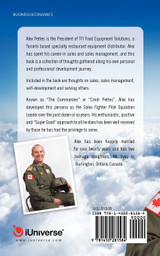
Alex Pettes is the President of TFI Food Equipment Solutions, a Toronto based specialty restaurant equipment distributor. Alex has spent his career in sales and sales management, and this book is a...
Discover your next great read at BookLoop, Australiand online bookstore offering a vast selection of titles across various genres and interests. Whether you're curious about what's trending or searching for graphic novels that captivate, thrilling crime and mystery fiction, or exhilarating action and adventure stories, our curated collections have something for every reader. Delve into imaginative fantasy worlds or explore the realms of science fiction that challenge the boundaries of reality. Fans of contemporary narratives will find compelling stories in our contemporary fiction section. Embark on epic journeys with our fantasy and science fiction titles,
Shop Trending Books and New Releases
Explore our new releases for the most recent additions in romance books, fantasy books, graphic novels, crime and mystery books, science fiction books as well as biographies, cookbooks, self help books, tarot cards, fortunetelling and much more. With titles covering current trends, booktok and bookstagram recommendations, and emerging authors, BookLoop remains your go-to local australian bookstore for buying books online across all book genres.
Shop Best Books By Collection
Stay updated with the literary world by browsing our trending books, featuring the latest bestsellers and critically acclaimed works. Explore titles from popular brands like Minecraft, Pokemon, Star Wars, Bluey, Lonely Planet, ABIA award winners, Peppa Pig, and our specialised collection of ADHD books. At BookLoop, we are committed to providing a diverse and enriching reading experience for all.
Sign In
your cart
Your cart is empty
Menu
Search
PRE-SALES
If you have any questions before making a purchase chat with our online operators to get more information.