Electron microscopy in the biological sciences can be divided into two disciplines. The first, concerned with high resolution detail of particles or periodic structures, is mostly based on sound theoretical principles of physics. The second, by far the larger discipline, is interested in the information obtainable from thin sections. The theoretical back ground to those groups of techniques for preparing and looking at thin sections is often inexact and "loose", for want of a better word. What should be chemistry is often closer to alchemy. This kind of electron microscopy is often enshrined with mystical recipes, handed down from generation to generation. Admittedly, many of the processes involved, such as those required to embed tissue in epoxy resins, involve multiple interconnected steps, which make it difficult to follow the details of anyone of these steps. If all these steps are shrouded in some mystery, however, can one really trust the final image that emerges on the EM screen? When we present the data in some semi quantitative form is there really no better way to do it than to categorize the parameters with ++, +/-, etc? What happens when one labels the sections with antibodies? Does the whole business necess arily need to be more of an "art" than a "science"? Upon reflecting on these problems in 1981, I had the impression that many of the multi-authored textbooks that existed then (and that have appeared since) tended to exacerbate or at least perpetuate this
Electron microscopy in the biological sciences can be divided into two disciplines. The first, concerned with high resolution detail of particles or periodic structures, is mostly based on sound theoretical principles of physics. The second, by far the larger discipline, is interested in the information obtainable from thin sections. The theoretical back ground to those groups of techniques for preparing and looking at thin sections is often inexact and "loose", for want of a better word. What should be chemistry is often closer to alchemy. This kind of electron microscopy is often enshrined with mystical recipes, handed down from generation to generation. Admittedly, many of the processes involved, such as those required to embed tissue in epoxy resins, involve multiple interconnected steps, which make it difficult to follow the details of anyone of these steps. If all these steps are shrouded in some mystery, however, can one really trust the final image that emerges on the EM screen? When we present the data in some semi quantitative form is there really no better way to do it than to categorize the parameters with ++, +/-, etc? What happens when one labels the sections with antibodies? Does the whole business necess arily need to be more of an "art" than a "science"? Upon reflecting on these problems in 1981, I had the impression that many of the multi-authored textbooks that existed then (and that have appeared since) tended to exacerbate or at least perpetuate this
The devotion of an IA U symposium entirely to the topic of chromo spheric fine structure at a time when models of the spherically symmetric chromosphere are still evolving constitutes a valid...
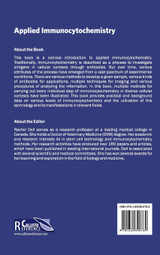
This book is a concise and sophisticated introduction to applied immunocytochemistry. Traditionally, immunocytochemistry is described as a process to investigate antigens in cellular contexts through...
Immunohistochemistry and immunocytochemistry are invaluable tools for the visualization of tissue and cellular antigens in diagnostic and biological research environments. The need to obtain...
Discover your next great read at BookLoop, Australiand online bookstore offering a vast selection of titles across various genres and interests. Whether you're curious about what's trending or searching for graphic novels that captivate, thrilling crime and mystery fiction, or exhilarating action and adventure stories, our curated collections have something for every reader. Delve into imaginative fantasy worlds or explore the realms of science fiction that challenge the boundaries of reality. Fans of contemporary narratives will find compelling stories in our contemporary fiction section. Embark on epic journeys with our fantasy and science fiction titles,
Shop Trending Books and New Releases
Explore our new releases for the most recent additions in romance books, fantasy books, graphic novels, crime and mystery books, science fiction books as well as biographies, cookbooks, self help books, tarot cards, fortunetelling and much more. With titles covering current trends, booktok and bookstagram recommendations, and emerging authors, BookLoop remains your go-to local australian bookstore for buying books online across all book genres.
Shop Best Books By Collection
Stay updated with the literary world by browsing our trending books, featuring the latest bestsellers and critically acclaimed works. Explore titles from popular brands like Minecraft, Pokemon, Star Wars, Bluey, Lonely Planet, ABIA award winners, Peppa Pig, and our specialised collection of ADHD books. At BookLoop, we are committed to providing a diverse and enriching reading experience for all.
Sign In
your cart
Your cart is empty
Menu
Search
PRE-SALES
If you have any questions before making a purchase chat with our online operators to get more information.