Trending Bestseller

Exploring Drug Delivery to the Peritoneum

Ranjita Shegokar

No reviews yet Write a Review
Hardback
01 December 2023
$281.00
Ships in 5–7 business days
Hurry up! Current stock:

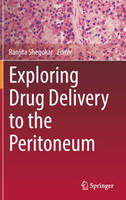
The Peritoneal cavity (PC) is the key metastatic site for intra-abdominal malignancies (e.g., GI tract and rectal cancer). PC sites can be used to target several other diseases where lymphatic drug delivery is desired without dumping large amounts of the drug. Till recently, it was thought that treatment with curative intent was impossible but that was challenged by the introduction of cytoreductive surgery (CRS) and heated intraperitoneal chemotherapy (HIPEC), and PIPAC (pressurized intraperitoneal aerosol chemotherapy). Recently, a growing number of preclinical and clinical studies advocate intraperitoneal (IP) chemotherapy as an alternative post-operative therapy for cancer. Although their effectiveness has been proven both experimentally and clinically, there is still little understanding of the role of drug delivery systems (DDS) in targeting drugs in the intraperitoneal (IP) cavity.


There are two main challenges one posed by IP cavity where the residence time of a small molecular weight drug (<20 kDa) is not sufficiently long to maintain therapeutic effect. This leads to frequent or continuous dosing. Another challenge is device-related or catheter-related problems, such as catheter obstruction, increased risk of infection, and bowel complications. Overall literature shows that the IP site is satisfactorily explored by clinicians but in terms of drug delivery not that much. One can see a clear-cut gap of expertise exchange between the two fields and guidelines from regulatory lawmakers on new medications.


In summary, challenges like delivery to IP cavity, tumor or organ-specific targeting, efficient tissue penetration, optimal cellular uptake and intracellular residence of a drug, biocompatibility, toxicity, etc can be easily solved by smartly designing functional drug delivery systems (both nano and micro). Nanotechnologies have always fascinated humans for several decades and are now widely explored in the biomedical field. Diverse types of nanoparticles are being explored around the world, some examples include biodegradable nanoparticles, green nanoparticles, polymeric nanoparticles, lipid nanoparticles, metal nanoparticles, graphene, carbon nanotubes, and several others. Now a day's nanoparticles are gaining interest for drug targeting of chemotherapeutic drugs, immunotherapy, and gene delivery. Whereas microparticles can be explored for delayed drug delivery to the peritoneal cavity due to relatively slow removal from IP fluid. Hydrogels or other adhesive drug delivery may help to enhance peritoneal adhesions; thereby maintaining the balance between benefit and risk. Overall, drug delivery systems are key in IP targeting. That means drug delivery specialist and clinician needs to be connected to get the best out of this route of drug administration.


The present book is a link between pharmaceutical scientists (drug formulators), clinicians, toxicologists, and regulatory experts. This book also provides a new perspective to researchers to divert or guide their research in an optimal way. Exploring Drug Delivery to the Peritoneum serves as a platform for upcoming technologies especially in the medical devices sector to face up and show potential in delivering drugs. It is a chance for commercial partners like insurance companies and the pharma industry to explore this direction.

This product hasn't received any reviews yet. Be the first to review this product!

$281.00
Ships in 5–7 business days
Hurry up! Current stock:

Exploring Drug Delivery to the Peritoneum

$281.00

Description

The Peritoneal cavity (PC) is the key metastatic site for intra-abdominal malignancies (e.g., GI tract and rectal cancer). PC sites can be used to target several other diseases where lymphatic drug delivery is desired without dumping large amounts of the drug. Till recently, it was thought that treatment with curative intent was impossible but that was challenged by the introduction of cytoreductive surgery (CRS) and heated intraperitoneal chemotherapy (HIPEC), and PIPAC (pressurized intraperitoneal aerosol chemotherapy). Recently, a growing number of preclinical and clinical studies advocate intraperitoneal (IP) chemotherapy as an alternative post-operative therapy for cancer. Although their effectiveness has been proven both experimentally and clinically, there is still little understanding of the role of drug delivery systems (DDS) in targeting drugs in the intraperitoneal (IP) cavity.


There are two main challenges one posed by IP cavity where the residence time of a small molecular weight drug (<20 kDa) is not sufficiently long to maintain therapeutic effect. This leads to frequent or continuous dosing. Another challenge is device-related or catheter-related problems, such as catheter obstruction, increased risk of infection, and bowel complications. Overall literature shows that the IP site is satisfactorily explored by clinicians but in terms of drug delivery not that much. One can see a clear-cut gap of expertise exchange between the two fields and guidelines from regulatory lawmakers on new medications.


In summary, challenges like delivery to IP cavity, tumor or organ-specific targeting, efficient tissue penetration, optimal cellular uptake and intracellular residence of a drug, biocompatibility, toxicity, etc can be easily solved by smartly designing functional drug delivery systems (both nano and micro). Nanotechnologies have always fascinated humans for several decades and are now widely explored in the biomedical field. Diverse types of nanoparticles are being explored around the world, some examples include biodegradable nanoparticles, green nanoparticles, polymeric nanoparticles, lipid nanoparticles, metal nanoparticles, graphene, carbon nanotubes, and several others. Now a day's nanoparticles are gaining interest for drug targeting of chemotherapeutic drugs, immunotherapy, and gene delivery. Whereas microparticles can be explored for delayed drug delivery to the peritoneal cavity due to relatively slow removal from IP fluid. Hydrogels or other adhesive drug delivery may help to enhance peritoneal adhesions; thereby maintaining the balance between benefit and risk. Overall, drug delivery systems are key in IP targeting. That means drug delivery specialist and clinician needs to be connected to get the best out of this route of drug administration.


The present book is a link between pharmaceutical scientists (drug formulators), clinicians, toxicologists, and regulatory experts. This book also provides a new perspective to researchers to divert or guide their research in an optimal way. Exploring Drug Delivery to the Peritoneum serves as a platform for upcoming technologies especially in the medical devices sector to face up and show potential in delivering drugs. It is a chance for commercial partners like insurance companies and the pharma industry to explore this direction.

Customers Also Viewed

Buy Books Online at BookLoop

Discover your next great read at BookLoop, Australiand online bookstore offering a vast selection of titles across various genres and interests. Whether you're curious about what's trending or searching for graphic novels that captivate, thrilling crime and mystery fiction, or exhilarating action and adventure stories, our curated collections have something for every reader. Delve into imaginative fantasy worlds or explore the realms of science fiction that challenge the boundaries of reality. Fans of contemporary narratives will find compelling stories in our contemporary fiction section. Embark on epic journeys with our fantasy and science fiction titles,

Shop Trending Books and New Releases

Explore our new releases for the most recent additions in romance books, fantasy books, graphic novels, crime and mystery books, science fiction books as well as biographies, cookbooks, self help books, tarot cards, fortunetelling and much more. With titles covering current trends, booktok and bookstagram recommendations, and emerging authors, BookLoop remains your go-to local australian bookstore for buying books online across all book genres.

Shop Best Books By Collection

Stay updated with the literary world by browsing our trending books, featuring the latest bestsellers and critically acclaimed works. Explore titles from popular brands like Minecraft, Pokemon, Star Wars, Bluey, Lonely Planet, ABIA award winners, Peppa Pig, and our specialised collection of ADHD books. At BookLoop, we are committed to providing a diverse and enriching reading experience for all.