Trending Bestseller

Evolutionary Conservation Genetics

No reviews yet Write a Review
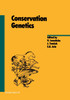
Conservation genetics focuses on understanding the role of genetic variation for population persistence. This book is about the methods used to study genetic variation in endangered species and whether genetic variation matters in the extinction of species.
Hardback
15-February-2009
RRP: $324.00
$207.00
Ships in 3-5 business days
Hurry up! Current stock:
To date, conservation genetics has predominantly utilized neutral genetic markers e.g. microsatellites. However, with the recent advances in molecular genetics and genomics it will soon be possible to study 'direct gene action', following the fate of genetic variation at the level of DNA, through expression, to proteins in order to determine how such phenotypes fare in populations of free living organisms. Evolutionary Conservation Genetics explores these exciting avenues of future research potential, integrating ecological quantitative genetics with the new genome science. It is now more important than ever that we ask relevant questions about the evolutionary fate of endangered populations throughout the globe and incorporate our knowledge of evolutionary processes and the distribution of genetic diversity into effective conservation planning and action.

This product hasn't received any reviews yet. Be the first to review this product!

RRP: $324.00
$207.00
Ships in 3-5 business days
Hurry up! Current stock:

Evolutionary Conservation Genetics

RRP: $324.00
$207.00

Description

To date, conservation genetics has predominantly utilized neutral genetic markers e.g. microsatellites. However, with the recent advances in molecular genetics and genomics it will soon be possible to study 'direct gene action', following the fate of genetic variation at the level of DNA, through expression, to proteins in order to determine how such phenotypes fare in populations of free living organisms. Evolutionary Conservation Genetics explores these exciting avenues of future research potential, integrating ecological quantitative genetics with the new genome science. It is now more important than ever that we ask relevant questions about the evolutionary fate of endangered populations throughout the globe and incorporate our knowledge of evolutionary processes and the distribution of genetic diversity into effective conservation planning and action.

Customers Also Viewed