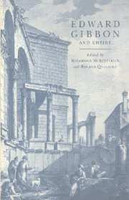

This book examines Gibbon's interpretations of empire and the intellectual context in which he formulated them against a background of the eighteenth- and late twentieth-century knowledge of late antiquity and the Middle Ages. Gibbon's ideas of empire, his understanding of monarchy and the balance of power, his sources and working methods, the structure of the History of the Decline and Fall of the Roman Empire, his attitude towards the barbarians, the contrasting treatments of the eastern and western Empire, his appreciation of past civilizations and their material remains, his audience and their reactions - contemporary and Victorian - are considered in the light of the latest research on eighteenth-century intellectual history on the one hand and on late antiquity, Byzantium and the Middle Ages on the other. The book breaks new ground in taking the form of a dialogue between experts on the fields about which Gibbon himself wrote, and eighteenth-century intellectual historians.
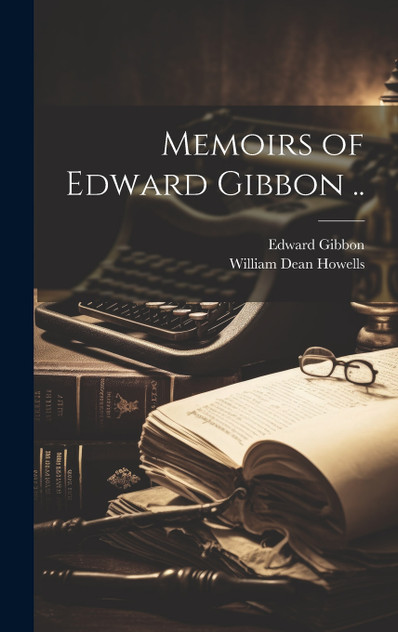
CONTENTSGibbon's Early Life Up To the Time of His Leaving OxfordAt LausanneIn the MilitiaThe Italian JourneyLiterary Schemes. - The History of Switzerland - Dissertation on the Sixth Eneid. -...
This work has been selected by scholars as being culturally important, and is part of the knowledge base of civilization as we know it.This work is in the "public domain in the United States of...
Gibbon's memoirs offer a unique insight into the life and mind of one of the greatest historians of all time. In this book, readers will discover the personal experiences and opinions that shaped...
Memoirs of Edward Gibbon is a fascinating account of the life and work of one of the greatest historians of the Enlightenment. Written by Gibbon himself, and edited and annotated by William Dean...