The aim of Diversity in Family Formation is to examine changes in the start of the family formation process. Rather than giving a rough overview of demographic changes in many countries, a comparison of differences in changes in family formation and fertility behaviour between Belgium and The Netherlands is interesting for various reasons. First, even though the economic and cultural differences between these countries are relatively small there is one important difference: Belgium is predominantly Catholic, whereas The Netherlands has about equal proportions of Catholics and Protestants. Second, if the Second Demographic Transition implies that there is one common pattern of change in different European countries and that differences across countries are due to the fact that countries are in a different stage of the transition process, and if it is assumed that the transition process started earlier in Protestant countries than in Catholic countries, one would expect The Netherlands to be in a further stage of the transition process than Belgium. Thus an in-depth comparison of changes in family formation and fertility behaviour between both countries may give us more insight in the question of whether there is one common transition process. The comparison of fertility and family survey-data in both countries brings us to the core question of whether there is one common explanation for differences between countries in various types of fertility and family behaviour under consideration, namely fertility regulation, the choice of living arrangement after leaving the parental home, and the labour force participation of mothers.
The aim of Diversity in Family Formation is to examine changes in the start of the family formation process. Rather than giving a rough overview of demographic changes in many countries, a comparison of differences in changes in family formation and fertility behaviour between Belgium and The Netherlands is interesting for various reasons. First, even though the economic and cultural differences between these countries are relatively small there is one important difference: Belgium is predominantly Catholic, whereas The Netherlands has about equal proportions of Catholics and Protestants. Second, if the Second Demographic Transition implies that there is one common pattern of change in different European countries and that differences across countries are due to the fact that countries are in a different stage of the transition process, and if it is assumed that the transition process started earlier in Protestant countries than in Catholic countries, one would expect The Netherlands to be in a further stage of the transition process than Belgium. Thus an in-depth comparison of changes in family formation and fertility behaviour between both countries may give us more insight in the question of whether there is one common transition process. The comparison of fertility and family survey-data in both countries brings us to the core question of whether there is one common explanation for differences between countries in various types of fertility and family behaviour under consideration, namely fertility regulation, the choice of living arrangement after leaving the parental home, and the labour force participation of mothers.
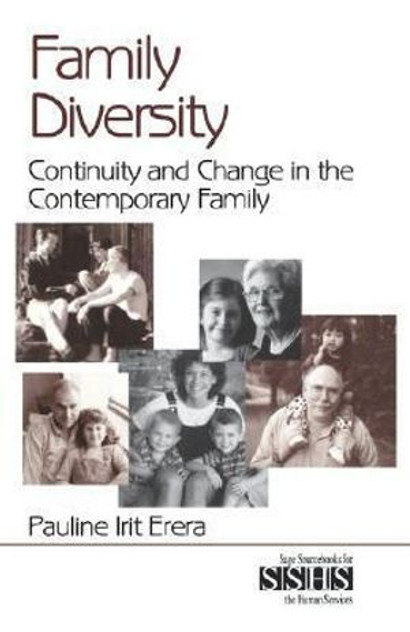
In this book, Pauline Erera presents nontraditional families as family structures in their own right, rather than as variations of the traditional family (first married, two-parent, heterosexual)...
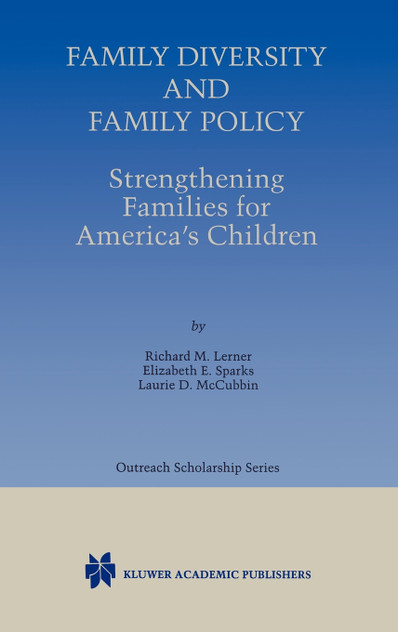
Family Diversity and Family Policy describes the dimensions of diversity which characterize the contemporary American family and discusses the implications for public policy and associated ...
Communication Diversity in Families discusses diverse family types and the communication that occurs within and among them. The carefully curated readings explore a variety of family forms which...
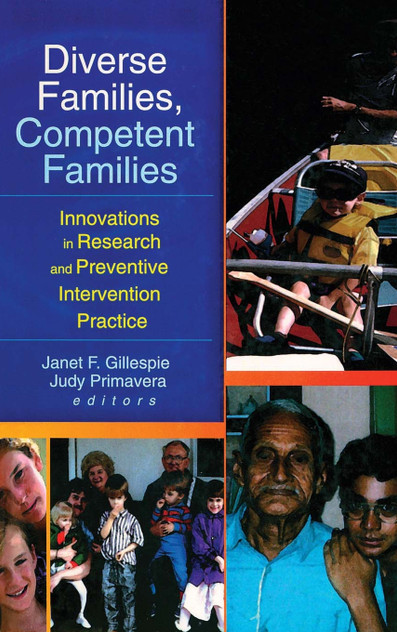
The status of the American family has been the topic of considerable debate in recent years. As demographic changes make our country more multicultural and as new types of families continue to form...
Discover your next great read at BookLoop, Australiand online bookstore offering a vast selection of titles across various genres and interests. Whether you're curious about what's trending or searching for graphic novels that captivate, thrilling crime and mystery fiction, or exhilarating action and adventure stories, our curated collections have something for every reader. Delve into imaginative fantasy worlds or explore the realms of science fiction that challenge the boundaries of reality. Fans of contemporary narratives will find compelling stories in our contemporary fiction section. Embark on epic journeys with our fantasy and science fiction titles,
Shop Trending Books and New Releases
Explore our new releases for the most recent additions in romance books, fantasy books, graphic novels, crime and mystery books, science fiction books as well as biographies, cookbooks, self help books, tarot cards, fortunetelling and much more. With titles covering current trends, booktok and bookstagram recommendations, and emerging authors, BookLoop remains your go-to local australian bookstore for buying books online across all book genres.
Shop Best Books By Collection
Stay updated with the literary world by browsing our trending books, featuring the latest bestsellers and critically acclaimed works. Explore titles from popular brands like Minecraft, Pokemon, Star Wars, Bluey, Lonely Planet, ABIA award winners, Peppa Pig, and our specialised collection of ADHD books. At BookLoop, we are committed to providing a diverse and enriching reading experience for all.
Sign In
your cart
Your cart is empty
Menu
Search
PRE-SALES
If you have any questions before making a purchase chat with our online operators to get more information.