The full effects of decisions made today about many environmental policies -including climate change and nuclear waste- will not be felt for many years. For issues with long-term ramifications, analysts often employ discount rates to compare present and future costs and benefits. This is reasonable, and discounting has become a procedure that raises few objections. But are the methods appropriate for measuring costs and benefits for decisions that will have impacts 20 to 30 years from now the right ones to employ for a future that lies 200 to 300 years in the future? This landmark book argues that methods reasonable for measuring gains and losses for a generation into the future may not be appropriate when applied to a longer span of time. Paul Portney and John Weyant have assembled some of the world's foremost economists to reconsider the purpose, ethical implications, and application of discounting in light of recent research and current policy concerns. These experts note reasons why conventional calculations involved in discounting are undermined when considering costs and benefits in the distant future, including uncertainty about the values and preferences of future generations, and uncertainties about available technologies. Rather than simply disassemble current methodologies, the contributors examine innovations that will make discounting a more compelling tool for policy choices that influence the distant future. They discuss the combination of a high shout-term with a low long-term diescount rate, explore discounting according to more than one set of anticipated preferences for the future, and outline alternatives involving simultaneous consideration of valuation, discounting and political acceptability.
The full effects of decisions made today about many environmental policies -including climate change and nuclear waste- will not be felt for many years. For issues with long-term ramifications, analysts often employ discount rates to compare present and future costs and benefits. This is reasonable, and discounting has become a procedure that raises few objections. But are the methods appropriate for measuring costs and benefits for decisions that will have impacts 20 to 30 years from now the right ones to employ for a future that lies 200 to 300 years in the future? This landmark book argues that methods reasonable for measuring gains and losses for a generation into the future may not be appropriate when applied to a longer span of time. Paul Portney and John Weyant have assembled some of the world's foremost economists to reconsider the purpose, ethical implications, and application of discounting in light of recent research and current policy concerns. These experts note reasons why conventional calculations involved in discounting are undermined when considering costs and benefits in the distant future, including uncertainty about the values and preferences of future generations, and uncertainties about available technologies. Rather than simply disassemble current methodologies, the contributors examine innovations that will make discounting a more compelling tool for policy choices that influence the distant future. They discuss the combination of a high shout-term with a low long-term diescount rate, explore discounting according to more than one set of anticipated preferences for the future, and outline alternatives involving simultaneous consideration of valuation, discounting and political acceptability.
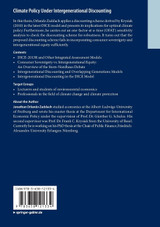
In this thesis, Orlando Zaddach applies a discounting scheme derived by Krysiak (2010) in the latest DICE model and presents its implications for optimal climate policy. Furthermore, he carries out a...
Due to the mortgage crisis of 2008, laws aimed at achieving budgetary and financial stability were enacted. The concept of financial sustainability has been linked to the need of rendering public...
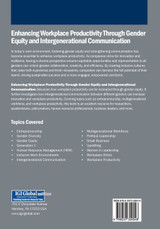
In today s work environment, fostering gender equity and strengthening communication has become essential to enhance workplace productivity. As companies strive for innovation and resilience, having...
Discover your next great read at BookLoop, Australiand online bookstore offering a vast selection of titles across various genres and interests. Whether you're curious about what's trending or searching for graphic novels that captivate, thrilling crime and mystery fiction, or exhilarating action and adventure stories, our curated collections have something for every reader. Delve into imaginative fantasy worlds or explore the realms of science fiction that challenge the boundaries of reality. Fans of contemporary narratives will find compelling stories in our contemporary fiction section. Embark on epic journeys with our fantasy and science fiction titles,
Shop Trending Books and New Releases
Explore our new releases for the most recent additions in romance books, fantasy books, graphic novels, crime and mystery books, science fiction books as well as biographies, cookbooks, self help books, tarot cards, fortunetelling and much more. With titles covering current trends, booktok and bookstagram recommendations, and emerging authors, BookLoop remains your go-to local australian bookstore for buying books online across all book genres.
Shop Best Books By Collection
Stay updated with the literary world by browsing our trending books, featuring the latest bestsellers and critically acclaimed works. Explore titles from popular brands like Minecraft, Pokemon, Star Wars, Bluey, Lonely Planet, ABIA award winners, Peppa Pig, and our specialised collection of ADHD books. At BookLoop, we are committed to providing a diverse and enriching reading experience for all.
Sign In
your cart
Your cart is empty
Menu
Search
PRE-SALES
If you have any questions before making a purchase chat with our online operators to get more information.