1: Preliminaries.- 1.1 The central issues.- 1.2 The contributions of previous scholars.- 1.2.1 Satis Chandra Vidy?bh??a?a.- 1.2.2 Th. Stcherbatsky.- 1.2.3 Satkari Mookerjee.- 1.2.4 Erich Frauwallner.- 1.2.5 Kitagawa Hidenori, Hattori Masaaki and Katsura Shoryu.- 1.2.6 Radhika Herzberger.- 1.3 The argument of this book.- Notes.- 2: Rational Skepticism in Pre-Di?n?gan Buddhism.- 2.1 The foundation of skepticism in the Nik?yas.- 2.1.1 The Sutta Nip?ta.- 2.1.2 D?gha Nik?ya: The Brahmaj?la sutta.- 2.1.3 A?guttara Nik?ya: The Kesaputtas.- 2.1.4 Summary of how opinions are regarded in the Nik?yas.- 2.2 The influence of N?g?rjuna.- 2.2.1 M?lamadhyamakak?ik?.- 2.2.2 Vigrahavy?vartan?.- Notes.- 3: Nominalism in Pre-Di?n?gan Buddhism.- 3.1 The ?gama literature and Milindapañha.- 3.1.1 Natural class in the Nik?yas.- 3.1.2 Personal identity in the P?li Canon.- 3.1.3 Personal identity in the Milindapañha.- 3.2 Nominalism in N?g?rjuna.- 3.3 Nominalism in Vasubandhu.- 3.3.1 Vasubandhu's theory of two truths.- 3.3.2 Vasubandhu's phenomenalism.- Notes.- 4: Di?n?ga's Theory of Knowledge.- 4.1 Hetucakranir?aya.- 4.2 The Pram??asamuccaya.- 4.2.1 Sensation in the Pram??asamuccaya.- 4.2.1.1 Awareness's awareness of itself.- 4.2.2 Inference in the Pram??asamuccaya.- 4.2.2.1 The subject matter of inference.- 4.2.2.2 Three characteristics of legitimate evidence.- 4.2.2.3 On errancy and pervasion.- 4.3 The skepticism implicit in Di?n?ga's epistemology.- Notes.- 5: Di?n?ga's nominalism.- 5.1 The ?lambanapar?k??.- 5.2 The context of the discussion of nominalism in the Pram??asamuccaya.- 5.2.1 Scripture as a form of inferential sign.- 5.2.2 Fallibility in inference and scripture.- 5.2.3 The question of uni versais.- 5.2.4 Any?poha as a substitute for universals.- 5.2.5 The nature of information conveyed by language.- 5.2.6 The meaning of individual words.- 5.2.7 Particulars as instantiations of universals.- 5.2.8 Absurdities in the view that universals exist outside thought.- 5.2.9 The contrariety of expressions.- 5.2.10 The meaning of a sentence.- 5.2.11 The sentence as the primary linguistic symbol.- Notes.- Translations Introduction to translation.- The history of the Pram??asamuccaya in Tibet.- 6: Pram??asamuccaya II "On reasoning".- 6.1 Inference differentiated from sensation.- 6.2 The three characteristics of legitimate evidence.- 6.3 Property-bearer as the subject of inference.- 6.4 On restricted and errant properties.- 6.5 Non-symmetry of restriction and pervasion.- Notes.- 7: Pram??asamuccaya V: On the nature of signs in language.- 7.1 On the question of what verbal symbols make known.- 7.2 On the relationships between symbols that express preclusion.- 7.3 On the unreality of universals outside thought.- 7.4 On the question of what linguistic symbols preclude.- Notes.- 8: Conclusions.- Appendix A: Glossary of Sanskrit Terms.- Appendix B: Tibetan-Sanskrit Lexicon.- Selected Bibliography.- Subject and Author Index.
1: Preliminaries.- 1.1 The central issues.- 1.2 The contributions of previous scholars.- 1.2.1 Satis Chandra Vidy?bh??a?a.- 1.2.2 Th. Stcherbatsky.- 1.2.3 Satkari Mookerjee.- 1.2.4 Erich Frauwallner.- 1.2.5 Kitagawa Hidenori, Hattori Masaaki and Katsura Shoryu.- 1.2.6 Radhika Herzberger.- 1.3 The argument of this book.- Notes.- 2: Rational Skepticism in Pre-Di?n?gan Buddhism.- 2.1 The foundation of skepticism in the Nik?yas.- 2.1.1 The Sutta Nip?ta.- 2.1.2 D?gha Nik?ya: The Brahmaj?la sutta.- 2.1.3 A?guttara Nik?ya: The Kesaputtas.- 2.1.4 Summary of how opinions are regarded in the Nik?yas.- 2.2 The influence of N?g?rjuna.- 2.2.1 M?lamadhyamakak?ik?.- 2.2.2 Vigrahavy?vartan?.- Notes.- 3: Nominalism in Pre-Di?n?gan Buddhism.- 3.1 The ?gama literature and Milindapañha.- 3.1.1 Natural class in the Nik?yas.- 3.1.2 Personal identity in the P?li Canon.- 3.1.3 Personal identity in the Milindapañha.- 3.2 Nominalism in N?g?rjuna.- 3.3 Nominalism in Vasubandhu.- 3.3.1 Vasubandhu's theory of two truths.- 3.3.2 Vasubandhu's phenomenalism.- Notes.- 4: Di?n?ga's Theory of Knowledge.- 4.1 Hetucakranir?aya.- 4.2 The Pram??asamuccaya.- 4.2.1 Sensation in the Pram??asamuccaya.- 4.2.1.1 Awareness's awareness of itself.- 4.2.2 Inference in the Pram??asamuccaya.- 4.2.2.1 The subject matter of inference.- 4.2.2.2 Three characteristics of legitimate evidence.- 4.2.2.3 On errancy and pervasion.- 4.3 The skepticism implicit in Di?n?ga's epistemology.- Notes.- 5: Di?n?ga's nominalism.- 5.1 The ?lambanapar?k??.- 5.2 The context of the discussion of nominalism in the Pram??asamuccaya.- 5.2.1 Scripture as a form of inferential sign.- 5.2.2 Fallibility in inference and scripture.- 5.2.3 The question of uni versais.- 5.2.4 Any?poha as a substitute for universals.- 5.2.5 The nature of information conveyed by language.- 5.2.6 The meaning of individual words.- 5.2.7 Particulars as instantiations of universals.- 5.2.8 Absurdities in the view that universals exist outside thought.- 5.2.9 The contrariety of expressions.- 5.2.10 The meaning of a sentence.- 5.2.11 The sentence as the primary linguistic symbol.- Notes.- Translations Introduction to translation.- The history of the Pram??asamuccaya in Tibet.- 6: Pram??asamuccaya II "On reasoning".- 6.1 Inference differentiated from sensation.- 6.2 The three characteristics of legitimate evidence.- 6.3 Property-bearer as the subject of inference.- 6.4 On restricted and errant properties.- 6.5 Non-symmetry of restriction and pervasion.- Notes.- 7: Pram??asamuccaya V: On the nature of signs in language.- 7.1 On the question of what verbal symbols make known.- 7.2 On the relationships between symbols that express preclusion.- 7.3 On the unreality of universals outside thought.- 7.4 On the question of what linguistic symbols preclude.- Notes.- 8: Conclusions.- Appendix A: Glossary of Sanskrit Terms.- Appendix B: Tibetan-Sanskrit Lexicon.- Selected Bibliography.- Subject and Author Index.
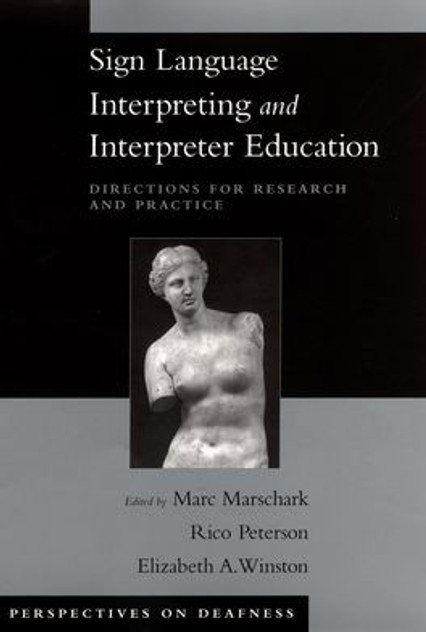
More the 1.46 million people in the United States have hearing losses in sufficient severity to be considered deaf; another 21 million people have other hearing impairments. For many deaf and...
Discover your next great read at BookLoop, Australiand online bookstore offering a vast selection of titles across various genres and interests. Whether you're curious about what's trending or searching for graphic novels that captivate, thrilling crime and mystery fiction, or exhilarating action and adventure stories, our curated collections have something for every reader. Delve into imaginative fantasy worlds or explore the realms of science fiction that challenge the boundaries of reality. Fans of contemporary narratives will find compelling stories in our contemporary fiction section. Embark on epic journeys with our fantasy and science fiction titles,
Shop Trending Books and New Releases
Explore our new releases for the most recent additions in romance books, fantasy books, graphic novels, crime and mystery books, science fiction books as well as biographies, cookbooks, self help books, tarot cards, fortunetelling and much more. With titles covering current trends, booktok and bookstagram recommendations, and emerging authors, BookLoop remains your go-to local australian bookstore for buying books online across all book genres.
Shop Best Books By Collection
Stay updated with the literary world by browsing our trending books, featuring the latest bestsellers and critically acclaimed works. Explore titles from popular brands like Minecraft, Pokemon, Star Wars, Bluey, Lonely Planet, ABIA award winners, Peppa Pig, and our specialised collection of ADHD books. At BookLoop, we are committed to providing a diverse and enriching reading experience for all.
Sign In
your cart
Your cart is empty
Menu
Search
PRE-SALES
If you have any questions before making a purchase chat with our online operators to get more information.