1 Photoregulation of plant gene expression.- 1.1 Introduction.- 1.2 Photoregulatory responses and levels of control.- 1.2.1 Genes respond differentially to light.- 1.2.2 Transcription is the primary, but not the only, level at which gene expression is controlled by light.- 1.3 Photoreceptors.- 1.3.1 Phytochrome mediates responses in dark-grown plants.- 1.3.2 Developing plastids produce a factor that is required for maximal expression of genes encoding chloroplast proteins.- 1.3.3 In mature leaf tissue phytochrome acts in conjunction with a UV-blue photoreceptor.- 1.3.4 A UV-B photoreceptor interacts with other photoreceptors to control chalcone synthase gene expression.- 1.3.5 Expression of several photoregulated genes exhibits a circadian rhythm.- 1.3.6 The phytochrome genes are subject to autoregulation.- 1.3.7 Overexpression of phytochrome genes in transgenic plants causes morphogenetic effects.- 1.4 DNA sequence elements responsible for photoregulation.- 1.4.1 RbcS genes.- 1.4.2 Cab genes.- 1.4.3 Phytochrome genes.- 1.4.4 The ferredoxin gene.- 1.4.5 Chalcone synthase genes.- 1.5 Concluding remarks.- References.- 2 Hormonal regulation of plant gene expression.- 2.1 Introduction.- 2.2. Auxin: rapid effects on anonymous genes.- 2.2.1 Relating auxin-regulated gene expression to auxin growth responses.- 2.3 Gibberellin: coordinate and non-coordinate regulation of gene expression.- 2.3.1 Approaching the molecular mechanisms of GA regulation.- 2.3.2 The acquisition of GA sensitivity.- 2.4 Abscisic acid: stress and development.- 2.5 Cytokinin and ethylene.- 2.5.1 Control of gene expression by cytokinin.- 2.5.2 Control of gene expression by ethylene.- 2.6 Conclusion.- References.- 3 Gene activity during tuber formation in the potato (Solanum tuberosum).- 3.1 Introduction.- 3.2 Development and anatomy of the tuber.- 3.3 Biochemical differentiation during tuber formation.- 3.3.1 The enzymes of starch metabolism.- 3.3.2 The regulation and function of patatin genes.- 3.3.3 The activity of other genes in potato tubers.- 3.4 Future prospects and application of genetic engineering to tubers.- References.- 4 Control of flavonoid synthesis and manipulation of flower colour.- 4.1 Introduction.- 4.2 Flavonoid biosynthesis.- 4.2.1 Flavonoids: structure and function.- 4.2.2 Flavonoids: biosynthesis route.- 4.3 Flavonoids as flower pigments.- 4.3.1 Anthocyanins.- 4.3.2 Yellow and colourless flavonoids.- 4.4 Genetic engineering of flower colour.- 4.4.1 Classical breeding.- 4.4.2 Molecular flower breeding.- References.- 5 The molecular basis for sexual incompatibility.- 5.1 Introduction.- 5.2 Angiosperm incompatibility systems.- 5.2.1 Cellular aspects of pollen-pistil interactions.- 5.2.2 Genetics of the one-locus incompatibilities.- 5.3 Molecular analysis of SI in Brassica.- 5.3.1 SLSG and its involvement in SI.- 5.3.2 Expression of SLSG in the stigma.- 5.3.3 Expression in anthers.- 5.3.4 The structure of SLSG.- 5.3.5 The S-multigene family.- 5.3.6 Comparison of the SLSG-structural gene and an S-locus related gene.- 5.3.7 S-sequences are conserved in the crucifer family.- 5.3.8 Gene interactions and the inheritance of self-compatibility.- 5.3.9 Evolution.- 5.3.10 Applications in breeding.- 5.4 Summary and prospects.- References.- 6 Control of gene expression in the developing seed.- 6.1 Introduction.- 6.2 Phases of seed development.- 6.3 Primary structure and flanking regions of some seed protein genes.- 6.3.1 2S-type genes.- 6.3.2 7S-type genes.- 6.3.3 11S-type genes.- 6.3.4 Cereal genes.- 6.4 Transcriptional control of seed storage protein genes is the major regulatory process.- 6.5 The role of post-transcriptional events in storage protein gene expression.- 6.6 Genetic lesions affecting seed protein expression.- 6.7 Role of hormones in seed protein gene expression.- 6.8 Proposed regulatory sequence elements in seed protein genes.- 6.9 Expression of seed protein genes in transgenic plants.- 6.9.1 7S vicilin-like genes.- 6.9.2 11S legumin-lik...
1 Photoregulation of plant gene expression.- 1.1 Introduction.- 1.2 Photoregulatory responses and levels of control.- 1.2.1 Genes respond differentially to light.- 1.2.2 Transcription is the primary, but not the only, level at which gene expression is controlled by light.- 1.3 Photoreceptors.- 1.3.1 Phytochrome mediates responses in dark-grown plants.- 1.3.2 Developing plastids produce a factor that is required for maximal expression of genes encoding chloroplast proteins.- 1.3.3 In mature leaf tissue phytochrome acts in conjunction with a UV-blue photoreceptor.- 1.3.4 A UV-B photoreceptor interacts with other photoreceptors to control chalcone synthase gene expression.- 1.3.5 Expression of several photoregulated genes exhibits a circadian rhythm.- 1.3.6 The phytochrome genes are subject to autoregulation.- 1.3.7 Overexpression of phytochrome genes in transgenic plants causes morphogenetic effects.- 1.4 DNA sequence elements responsible for photoregulation.- 1.4.1 RbcS genes.- 1.4.2 Cab genes.- 1.4.3 Phytochrome genes.- 1.4.4 The ferredoxin gene.- 1.4.5 Chalcone synthase genes.- 1.5 Concluding remarks.- References.- 2 Hormonal regulation of plant gene expression.- 2.1 Introduction.- 2.2. Auxin: rapid effects on anonymous genes.- 2.2.1 Relating auxin-regulated gene expression to auxin growth responses.- 2.3 Gibberellin: coordinate and non-coordinate regulation of gene expression.- 2.3.1 Approaching the molecular mechanisms of GA regulation.- 2.3.2 The acquisition of GA sensitivity.- 2.4 Abscisic acid: stress and development.- 2.5 Cytokinin and ethylene.- 2.5.1 Control of gene expression by cytokinin.- 2.5.2 Control of gene expression by ethylene.- 2.6 Conclusion.- References.- 3 Gene activity during tuber formation in the potato (Solanum tuberosum).- 3.1 Introduction.- 3.2 Development and anatomy of the tuber.- 3.3 Biochemical differentiation during tuber formation.- 3.3.1 The enzymes of starch metabolism.- 3.3.2 The regulation and function of patatin genes.- 3.3.3 The activity of other genes in potato tubers.- 3.4 Future prospects and application of genetic engineering to tubers.- References.- 4 Control of flavonoid synthesis and manipulation of flower colour.- 4.1 Introduction.- 4.2 Flavonoid biosynthesis.- 4.2.1 Flavonoids: structure and function.- 4.2.2 Flavonoids: biosynthesis route.- 4.3 Flavonoids as flower pigments.- 4.3.1 Anthocyanins.- 4.3.2 Yellow and colourless flavonoids.- 4.4 Genetic engineering of flower colour.- 4.4.1 Classical breeding.- 4.4.2 Molecular flower breeding.- References.- 5 The molecular basis for sexual incompatibility.- 5.1 Introduction.- 5.2 Angiosperm incompatibility systems.- 5.2.1 Cellular aspects of pollen-pistil interactions.- 5.2.2 Genetics of the one-locus incompatibilities.- 5.3 Molecular analysis of SI in Brassica.- 5.3.1 SLSG and its involvement in SI.- 5.3.2 Expression of SLSG in the stigma.- 5.3.3 Expression in anthers.- 5.3.4 The structure of SLSG.- 5.3.5 The S-multigene family.- 5.3.6 Comparison of the SLSG-structural gene and an S-locus related gene.- 5.3.7 S-sequences are conserved in the crucifer family.- 5.3.8 Gene interactions and the inheritance of self-compatibility.- 5.3.9 Evolution.- 5.3.10 Applications in breeding.- 5.4 Summary and prospects.- References.- 6 Control of gene expression in the developing seed.- 6.1 Introduction.- 6.2 Phases of seed development.- 6.3 Primary structure and flanking regions of some seed protein genes.- 6.3.1 2S-type genes.- 6.3.2 7S-type genes.- 6.3.3 11S-type genes.- 6.3.4 Cereal genes.- 6.4 Transcriptional control of seed storage protein genes is the major regulatory process.- 6.5 The role of post-transcriptional events in storage protein gene expression.- 6.6 Genetic lesions affecting seed protein expression.- 6.7 Role of hormones in seed protein gene expression.- 6.8 Proposed regulatory sequence elements in seed protein genes.- 6.9 Expression of seed protein genes in transgenic plants.- 6.9.1 7S vicilin-like genes.- 6.9.2 11S legumin-lik...
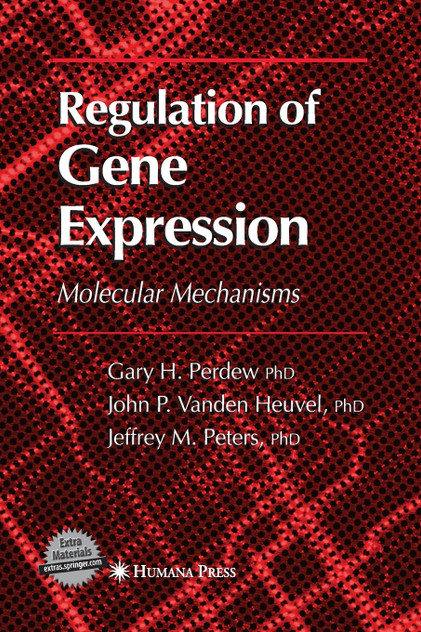
The use of molecular biology and biochemistry to study the regulation of gene expression has become a major feature of research in the biological sciences. Many excellent books and reviews exist that...
Given the accelerated growth of knowledge in the field of gene expression, it seemed timely to discuss current developments in the area of translational reg ulation of gene expression as well as to...
Discover your next great read at BookLoop, Australiand online bookstore offering a vast selection of titles across various genres and interests. Whether you're curious about what's trending or searching for graphic novels that captivate, thrilling crime and mystery fiction, or exhilarating action and adventure stories, our curated collections have something for every reader. Delve into imaginative fantasy worlds or explore the realms of science fiction that challenge the boundaries of reality. Fans of contemporary narratives will find compelling stories in our contemporary fiction section. Embark on epic journeys with our fantasy and science fiction titles,
Shop Trending Books and New Releases
Explore our new releases for the most recent additions in romance books, fantasy books, graphic novels, crime and mystery books, science fiction books as well as biographies, cookbooks, self help books, tarot cards, fortunetelling and much more. With titles covering current trends, booktok and bookstagram recommendations, and emerging authors, BookLoop remains your go-to local australian bookstore for buying books online across all book genres.
Shop Best Books By Collection
Stay updated with the literary world by browsing our trending books, featuring the latest bestsellers and critically acclaimed works. Explore titles from popular brands like Minecraft, Pokemon, Star Wars, Bluey, Lonely Planet, ABIA award winners, Peppa Pig, and our specialised collection of ADHD books. At BookLoop, we are committed to providing a diverse and enriching reading experience for all.
Sign In
your cart
Your cart is empty
Menu
Search
PRE-SALES
If you have any questions before making a purchase chat with our online operators to get more information.