


$357.00
Ships in 3-5 business days
Developmental Psychobiology
$357.00
Description
ELLIOTT M. BLASS Fifteen years have passed since the first volume on developmental psychobiology (Blass, 1986) appeared in this series and 13 since the publication of the second volume (Blass, 1988). These volumes documented the status of the broad domain of scientific inquiry called developmental psychobiology and were also written with an eye to the future. The future has been revolutionary in at least three ways. First, there was the demise of a descriptive ethology as we had known it, to be replaced first by sociobiology and later by its more sophisticated versions based on quantitative predictions of social interactions that reflected relatedness and inclu sive fitness. Second, there was the emergence of cognitive science, including cogni tive development, as an enormously strong and interactive multidisciplinary effort. Making the "functional" brain more accessible made this revolution all the more relevant to our discipline. In the laboratory, immunocytochemical detection of immediate / early genes, such as los, now allows us to trace neuronal circuits activated during complex behaviors. The "functional" brain of primates, especially humans, was also made very accessible through neuroimaging with which we can look at and into brains as they solve and attempt to solve particular tasks. Those of us who were trained in neurology as graduate students two or three decades ago recognize only the people in white coats and patients in beds or on gurneys when we visit neurologi cal units today. The rest is essentially new.
You May Like
Psychobiology
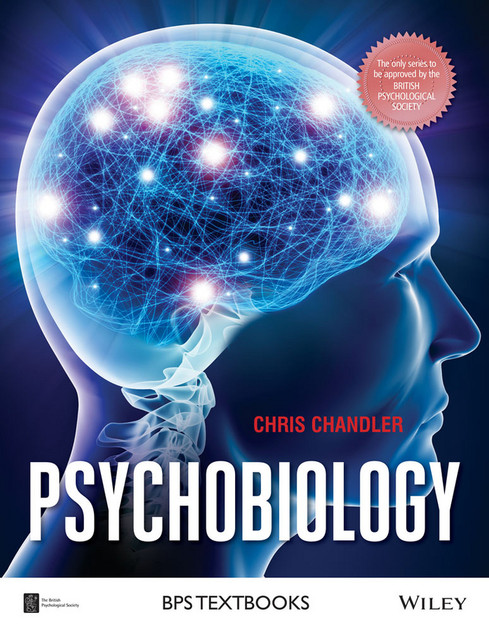
Psychobiology provides a comprehensive, yet accessible introduction to the study of psychobiology and the key concepts, topics and research that are core to understanding the brain and the biological...
$341.00

Psychobiology of the Hand
Clinics in Developmental Medicine No. 147The hand is a remarkable organ which is characteristic of primates and most highly developed in man. This book deals with the evolution and development of...
$171.00


The Psychobiology of Emotions
Regardless of culture, most adult humans report experiencing similar feelings such as anger, fear, humor, and joy. Such subjective emotional states, however, are not universal. Members of some...
$270.00
Customers Also Viewed
Buy Books Online at BookLoop
Discover your next great read at BookLoop, Australiand online bookstore offering a vast selection of titles across various genres and interests. Whether you're curious about what's trending or searching for graphic novels that captivate, thrilling crime and mystery fiction, or exhilarating action and adventure stories, our curated collections have something for every reader. Delve into imaginative fantasy worlds or explore the realms of science fiction that challenge the boundaries of reality. Fans of contemporary narratives will find compelling stories in our contemporary fiction section. Embark on epic journeys with our fantasy and science fiction titles,
Shop Trending Books and New Releases
Explore our new releases for the most recent additions in romance books, fantasy books, graphic novels, crime and mystery books, science fiction books as well as biographies, cookbooks, self help books, tarot cards, fortunetelling and much more. With titles covering current trends, booktok and bookstagram recommendations, and emerging authors, BookLoop remains your go-to local australian bookstore for buying books online across all book genres.
Shop Best Books By Collection
Stay updated with the literary world by browsing our trending books, featuring the latest bestsellers and critically acclaimed works. Explore titles from popular brands like Minecraft, Pokemon, Star Wars, Bluey, Lonely Planet, ABIA award winners, Peppa Pig, and our specialised collection of ADHD books. At BookLoop, we are committed to providing a diverse and enriching reading experience for all.