Trending Bestseller

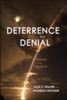
Deterrence by Denial

Theory and Practice

Alex S. Wilner

No reviews yet Write a Review
Paperback / softback
08 January 2021
$78.00
Ships in 3-5 business days
Hurry up! Current stock:

*This book is in the Rapid Communications in Conflict and Security (RCCS) Series (General Editor: Geoffrey R.H. Burn).


Deterrence theory helps conceptualize how threats can be used and communicated to influence or alter an adversary's behavior. In practice, deterrence works by weighing on an actor's perceived costs and benefits of pursuing an unwanted action. Deterrence-and its close relatives, coercion, compellence, dissuasion, and influence-can be accomplished by using threats of punishment (i.e., retaliation) or by denying adversaries the gains they seek (i.e., defense, resilience, and failure). During much of the Cold War deterrence by punishment largely overshadowed deterrence by denial. The proliferation of nuclear weapons, and later, of missile technology, tipped the deterrent calculus in favor of retaliation: the ultimate weapon epitomized the ultimate deterrent. Deterrence by denial largely fell to the wayside as a result and the logic of punishment came to pervade the classical literature on deterrence theory. Contemporary security dynamics, however, have changed dramatically. Security concerns are increasingly sub- and non-state in nature, and they are much more diffused. While nuclear weapons and deterrence by punishment still matter, the rise of sophisticated international terrorist organizations, conventional military challenges, digital-based threats, and threats short of open conflict have today cumulatively tipped the deterrent calculus in favor of denial.


Deterrence by denial reduces the perceived benefits an action is expected to provide an adversary. Decision making takes into account both costs and benefits, so while punishment manipulates behavior by augmenting costs, denial works by stripping away benefits. Unfortunately, given the field's longstanding focus on deterrence by punishment, very little research has systematically explored denial theory and strategy in contemporary security settings. And the limited denial scholarship that does exist rests largely on the dynamics inherent to the Cold War, like great power rivalry, strategic weapons, and military power. 


Deterrence by Denial: Theory and Practice is the first study to focus exclusively on contemporary denial, bridging the theoretical gap that persists between classical deterrence theory and contemporary insecurity. The book significantly advances the scholarship on deterrence by denial with empirically driven and policy-relevant contributions written by leading international scholars of conventional military aggression, missile defense, terrorism and militancy, crime, and cybersecurity.


Deterrence by Denial: Theory and Practice is an important and unique book, of interest to scholars of international relations, political science, terrorism and intelligence studies, and cybersecurity, as well as to policy analysts, practitioners, and members of the armed forces and intelligence community.


This product hasn't received any reviews yet. Be the first to review this product!

$78.00
Ships in 3-5 business days
Hurry up! Current stock:

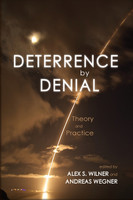
Deterrence by Denial

$78.00

Description

*This book is in the Rapid Communications in Conflict and Security (RCCS) Series (General Editor: Geoffrey R.H. Burn).


Deterrence theory helps conceptualize how threats can be used and communicated to influence or alter an adversary's behavior. In practice, deterrence works by weighing on an actor's perceived costs and benefits of pursuing an unwanted action. Deterrence-and its close relatives, coercion, compellence, dissuasion, and influence-can be accomplished by using threats of punishment (i.e., retaliation) or by denying adversaries the gains they seek (i.e., defense, resilience, and failure). During much of the Cold War deterrence by punishment largely overshadowed deterrence by denial. The proliferation of nuclear weapons, and later, of missile technology, tipped the deterrent calculus in favor of retaliation: the ultimate weapon epitomized the ultimate deterrent. Deterrence by denial largely fell to the wayside as a result and the logic of punishment came to pervade the classical literature on deterrence theory. Contemporary security dynamics, however, have changed dramatically. Security concerns are increasingly sub- and non-state in nature, and they are much more diffused. While nuclear weapons and deterrence by punishment still matter, the rise of sophisticated international terrorist organizations, conventional military challenges, digital-based threats, and threats short of open conflict have today cumulatively tipped the deterrent calculus in favor of denial.


Deterrence by denial reduces the perceived benefits an action is expected to provide an adversary. Decision making takes into account both costs and benefits, so while punishment manipulates behavior by augmenting costs, denial works by stripping away benefits. Unfortunately, given the field's longstanding focus on deterrence by punishment, very little research has systematically explored denial theory and strategy in contemporary security settings. And the limited denial scholarship that does exist rests largely on the dynamics inherent to the Cold War, like great power rivalry, strategic weapons, and military power. 


Deterrence by Denial: Theory and Practice is the first study to focus exclusively on contemporary denial, bridging the theoretical gap that persists between classical deterrence theory and contemporary insecurity. The book significantly advances the scholarship on deterrence by denial with empirically driven and policy-relevant contributions written by leading international scholars of conventional military aggression, missile defense, terrorism and militancy, crime, and cybersecurity.


Deterrence by Denial: Theory and Practice is an important and unique book, of interest to scholars of international relations, political science, terrorism and intelligence studies, and cybersecurity, as well as to policy analysts, practitioners, and members of the armed forces and intelligence community.

Customers Also Viewed

Buy Books Online at BookLoop

Discover your next great read at BookLoop, Australiand online bookstore offering a vast selection of titles across various genres and interests. Whether you're curious about what's trending or searching for graphic novels that captivate, thrilling crime and mystery fiction, or exhilarating action and adventure stories, our curated collections have something for every reader. Delve into imaginative fantasy worlds or explore the realms of science fiction that challenge the boundaries of reality. Fans of contemporary narratives will find compelling stories in our contemporary fiction section. Embark on epic journeys with our fantasy and science fiction titles,

Shop Trending Books and New Releases

Explore our new releases for the most recent additions in romance books, fantasy books, graphic novels, crime and mystery books, science fiction books as well as biographies, cookbooks, self help books, tarot cards, fortunetelling and much more. With titles covering current trends, booktok and bookstagram recommendations, and emerging authors, BookLoop remains your go-to local australian bookstore for buying books online across all book genres.

Shop Best Books By Collection

Stay updated with the literary world by browsing our trending books, featuring the latest bestsellers and critically acclaimed works. Explore titles from popular brands like Minecraft, Pokemon, Star Wars, Bluey, Lonely Planet, ABIA award winners, Peppa Pig, and our specialised collection of ADHD books. At BookLoop, we are committed to providing a diverse and enriching reading experience for all.