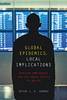
Using data collected for 350 cities from around the world, the authors use a variety of analytical methods to provide a global picture of what was happening to infectious epidemic diseases at a critical period in urban evolution on the international stage. The diseases considered are diphtheria, enteric fever, measles, scarlet fever, tuberculosis, and whooping cough. To place the results in a wider time context, other data are used to look both backwards and forwards for nearly a century on either side of the twenty-five-year time window. The book presents a number of results that may be interpreted in the context of debates on the causes of long-term mortality decline from these infectious diseases. It will be of interest to students of demography, history of medicine, and economic history as well as to researchers already active in these fields.
The book examines the formation and transformation of the Chinese exportledfootwear industry from a political-economic perspective. In particular, itexplains why Taiwanese businessmen succeeded in...
The "Integrated Science of Global Epidemics" is the new proposed volume of Integrated Science Book series, aiming to publish the results of the most updated ideas and reviews on Global Epidemics. The...
With today's economy on the decline more than ever we need to know how to deal with stress andanxiety in a healthy manner. The government is reporting record unemployment figures. With themortgage...
In December 2013, a series of Ebola infections in Meliandou, Guinea, set off a chain of events culminating in the world's largest Ebola epidemic. Concerns about the virus in the United States reached...