Credit and debt appear to be natural, permanent facets of Americans' lives, but a debt-based economy and debt-financed lifestyles are actually recent inventions. In 1951 Diners Club issued a plastic card that enabled patrons to pay for their meals at select New York City restaurants at the end of each month. Soon other "charge cards" (as they were then known) offered the convenience for travelers throughout the United States to pay for hotels, food, and entertainment on credit. In the 1970s the advent of computers and the deregulation of banking created an explosion in credit card use--and consumer debt. With gigantic national banks and computer systems that allowed variable interest rates, consumer screening, mass mailings, and methods to discipline slow payers with penalties and fees, middle-class Americans experienced a sea change in their lives.Given the enormous profits from issuing credit, banks and chain stores used aggressive marketing to reach Americans experiencing such crises as divorce or unemployment, to help them make ends meet or to persuade them that they could live beyond their means. After banks exhausted the profits from this group of people, they moved into the market for college credit cards and student loans and then into predatory lending (through check-cashing stores and pawnshops) to the poor. In 2003, Americans owed nearly $8 trillion in consumer debt, amounting to 130 percent of their average disposable income. The role of credit and debt in people's lives is one of the most important social and economic issues of our age.Brett Williams provides a sobering and frank investigation of the credit industry and how it came to dominate the lives of most Americans by propelling the social changes that are enacted when an economy is based on debt. Williams argues that credit and debt act to obscure, reproduce, and exacerbate other inequalities. It is in the best interest of the banks, corporations, and their shareholders to keep consumer debt at high levels. By targeting low-income and young people who would not be eligible for credit in other businesses, these companies are able quickly to gain a stranglehold on the finances of millions. Throughout, Williams provides firsthand accounts of how Americans from all socioeconomic levels use credit. These vignettes complement the history and technical issues of the credit industry, including strategies people use to manage debt, how credit functions in their lives, how they understand their own indebtedness, and the sometimes tragic impact of massive debt on people's lives.
Credit and debt appear to be natural, permanent facets of Americans' lives, but a debt-based economy and debt-financed lifestyles are actually recent inventions. In 1951 Diners Club issued a plastic card that enabled patrons to pay for their meals at select New York City restaurants at the end of each month. Soon other "charge cards" (as they were then known) offered the convenience for travelers throughout the United States to pay for hotels, food, and entertainment on credit. In the 1970s the advent of computers and the deregulation of banking created an explosion in credit card use--and consumer debt. With gigantic national banks and computer systems that allowed variable interest rates, consumer screening, mass mailings, and methods to discipline slow payers with penalties and fees, middle-class Americans experienced a sea change in their lives.Given the enormous profits from issuing credit, banks and chain stores used aggressive marketing to reach Americans experiencing such crises as divorce or unemployment, to help them make ends meet or to persuade them that they could live beyond their means. After banks exhausted the profits from this group of people, they moved into the market for college credit cards and student loans and then into predatory lending (through check-cashing stores and pawnshops) to the poor. In 2003, Americans owed nearly $8 trillion in consumer debt, amounting to 130 percent of their average disposable income. The role of credit and debt in people's lives is one of the most important social and economic issues of our age.Brett Williams provides a sobering and frank investigation of the credit industry and how it came to dominate the lives of most Americans by propelling the social changes that are enacted when an economy is based on debt. Williams argues that credit and debt act to obscure, reproduce, and exacerbate other inequalities. It is in the best interest of the banks, corporations, and their shareholders to keep consumer debt at high levels. By targeting low-income and young people who would not be eligible for credit in other businesses, these companies are able quickly to gain a stranglehold on the finances of millions. Throughout, Williams provides firsthand accounts of how Americans from all socioeconomic levels use credit. These vignettes complement the history and technical issues of the credit industry, including strategies people use to manage debt, how credit functions in their lives, how they understand their own indebtedness, and the sometimes tragic impact of massive debt on people's lives.
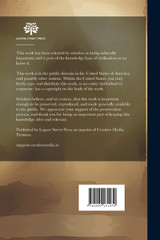
The 18th century was a wealth of knowledge, exploration and rapidly growing technology and expanding record-keeping made possible by advances in the printing press. In its determination to preserve...
The 18th century was a wealth of knowledge, exploration and rapidly growing technology and expanding record-keeping made possible by advances in the printing press. In its determination to preserve...
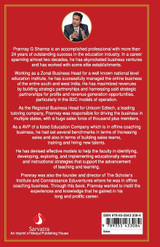
Prannay G Sharma is an accomplished professional with more than 24 years of outstanding success in the education industry. In a career spanning almost two decades, he has skyrocketed business...
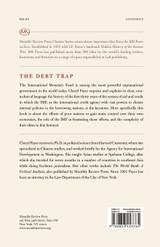
Vertaul's analysis of government debt and its impact on national economies offers a unique perspective on a timeless issue. He distinguishes between different types of national debt and argues that...
Discover your next great read at BookLoop, Australiand online bookstore offering a vast selection of titles across various genres and interests. Whether you're curious about what's trending or searching for graphic novels that captivate, thrilling crime and mystery fiction, or exhilarating action and adventure stories, our curated collections have something for every reader. Delve into imaginative fantasy worlds or explore the realms of science fiction that challenge the boundaries of reality. Fans of contemporary narratives will find compelling stories in our contemporary fiction section. Embark on epic journeys with our fantasy and science fiction titles,
Shop Trending Books and New Releases
Explore our new releases for the most recent additions in romance books, fantasy books, graphic novels, crime and mystery books, science fiction books as well as biographies, cookbooks, self help books, tarot cards, fortunetelling and much more. With titles covering current trends, booktok and bookstagram recommendations, and emerging authors, BookLoop remains your go-to local australian bookstore for buying books online across all book genres.
Shop Best Books By Collection
Stay updated with the literary world by browsing our trending books, featuring the latest bestsellers and critically acclaimed works. Explore titles from popular brands like Minecraft, Pokemon, Star Wars, Bluey, Lonely Planet, ABIA award winners, Peppa Pig, and our specialised collection of ADHD books. At BookLoop, we are committed to providing a diverse and enriching reading experience for all.
Sign In
your cart
Your cart is empty
Menu
Search
PRE-SALES
If you have any questions before making a purchase chat with our online operators to get more information.