Organic electronics are getting more and more interest from industrial companies and research groups in the last years since they enable many new applications, which could not be realized by inorganic materials [1{7]. Flexible displays [1], large-area sensors [1], light-emitting large surfaces [8], printable radio-frequency identification tags (RFID) for packaging or logistic industry [2] and many other systems which require exible, large area and low-cost electronic devices are now developed for the near future or even already commercialized. Organic light-emitting-diode (OLED) displays, for example, are now implemented in portable devices and have higher performance than the traditional LCD displays [9]. OLED displays are self illuminating and do not need back lightening, therefore they have higher brightness, contrast and viewing angle in comparison to LCD displays [9]. Many electronic devices producers implemented OLED displays in their high-end smartphones and SLR cameras [10], and recently LG (a Korean company) introduced a 55-inch OLED television [11]. Large-area solar cells based on organic materials have also found their way to commercialization [12].All of these innovations were only possible after the introduction of organic conductors and semiconductors. Organic (semi)-conductors have the advantage of their low-cost processing technologies (e.g. printing or spray-coating). However, they have lower electrical conductivity, free charge carriers mobility [13] and packaging density than their inorganic counterparts. Therefore they are normally used in lowcost and low-performance applications, except in the case of OLED where they have clear advantages compared with other technologies.In order to produce fully exible devices, elementary devices for electronic circuits (e.g. transistors and diodes) need to be made with exible materials. The performance of these devices needs to be enhanced and their fabrication processes should be optimized to ensure their c
Cross-linked Polymers as Dielectrics for Organic Field-effect Transistors
RRP:
$30.00
Description
Organic electronics are getting more and more interest from industrial companies and research groups in the last years since they enable many new applications, which could not be realized by inorganic materials [1{7]. Flexible displays [1], large-area sensors [1], light-emitting large surfaces [8], printable radio-frequency identification tags (RFID) for packaging or logistic industry [2] and many other systems which require exible, large area and low-cost electronic devices are now developed for the near future or even already commercialized. Organic light-emitting-diode (OLED) displays, for example, are now implemented in portable devices and have higher performance than the traditional LCD displays [9]. OLED displays are self illuminating and do not need back lightening, therefore they have higher brightness, contrast and viewing angle in comparison to LCD displays [9]. Many electronic devices producers implemented OLED displays in their high-end smartphones and SLR cameras [10], and recently LG (a Korean company) introduced a 55-inch OLED television [11]. Large-area solar cells based on organic materials have also found their way to commercialization [12].All of these innovations were only possible after the introduction of organic conductors and semiconductors. Organic (semi)-conductors have the advantage of their low-cost processing technologies (e.g. printing or spray-coating). However, they have lower electrical conductivity, free charge carriers mobility [13] and packaging density than their inorganic counterparts. Therefore they are normally used in lowcost and low-performance applications, except in the case of OLED where they have clear advantages compared with other technologies.In order to produce fully exible devices, elementary devices for electronic circuits (e.g. transistors and diodes) need to be made with exible materials. The performance of these devices needs to be enhanced and their fabrication processes should be optimized to ensure their c
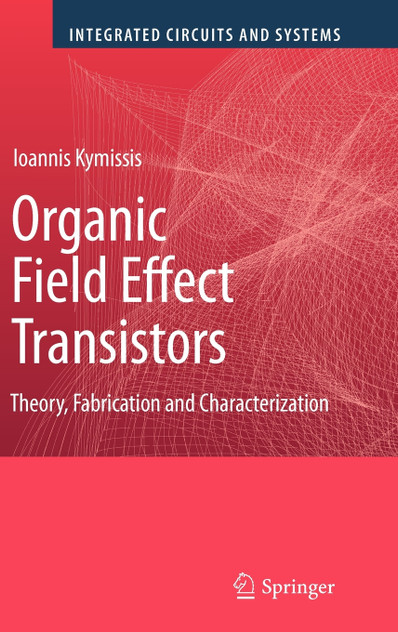
Organic Field Effect Transistors presents the state of the art in organic field effect transistors (OFETs), with a particular focus on the materials and techniques useful for making integrated...
The remarkable development of organic thin film transistors (OTFTs) has led to their emerging use in active matrix flat-panel displays, radio frequency identification cards, and sensors. Exploring...
Discover your next great read at BookLoop, Australiand online bookstore offering a vast selection of titles across various genres and interests. Whether you're curious about what's trending or searching for graphic novels that captivate, thrilling crime and mystery fiction, or exhilarating action and adventure stories, our curated collections have something for every reader. Delve into imaginative fantasy worlds or explore the realms of science fiction that challenge the boundaries of reality. Fans of contemporary narratives will find compelling stories in our contemporary fiction section. Embark on epic journeys with our fantasy and science fiction titles,
Shop Trending Books and New Releases
Explore our new releases for the most recent additions in romance books, fantasy books, graphic novels, crime and mystery books, science fiction books as well as biographies, cookbooks, self help books, tarot cards, fortunetelling and much more. With titles covering current trends, booktok and bookstagram recommendations, and emerging authors, BookLoop remains your go-to local australian bookstore for buying books online across all book genres.
Shop Best Books By Collection
Stay updated with the literary world by browsing our trending books, featuring the latest bestsellers and critically acclaimed works. Explore titles from popular brands like Minecraft, Pokemon, Star Wars, Bluey, Lonely Planet, ABIA award winners, Peppa Pig, and our specialised collection of ADHD books. At BookLoop, we are committed to providing a diverse and enriching reading experience for all.
Sign In
your cart
Your cart is empty
Menu
Search
PRE-SALES
If you have any questions before making a purchase chat with our online operators to get more information.