Trending Bestseller

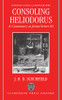
Consoling Heliodorus

No reviews yet Write a Review
How did early Christians give comfort to the bereaved? This examination of one of the most important early Christian letters of consolation shows how Christian consolers adopted many of the approaches used by their pagan predecessors. The book includes both a text and translation of the letter.
Hardback
10-December-1992
RRP: $530.00
$433.00
Ships in 3-5 business days
Hurry up! Current stock:
Jerome (AD c. 347-420) is best remembered as the author of the Vulgate translation of the Bible. But he was also an untiring letter-writer. Among the many letters which have survived are several written to friends who have suffered recent bereavement. In the most impressive of these, Letter 60, Jerome consoles Heliodorus, Bishop of Altinum in north-east Italy, on the early death of his young nephew Nepotianus. The letter is composed from a thoroughly Christian perspective; but it belongs to a tradition of consolatory literature that reaches far back into the pagan world. In this commentary, Professor Scourfield places the letter in the context of this consolatory tradition, showing how in the late fourth century a highly literate Christian author could take over pagan ideas and put them to Christian use. The commentary also includes a full discussion of matters of language and style, theology and exegesis, as well as the historical background. There is a freshly revised text, as well as a completely new translation of the Letter.

This product hasn't received any reviews yet. Be the first to review this product!

RRP: $530.00
$433.00
Ships in 3-5 business days
Hurry up! Current stock:

Consoling Heliodorus

RRP: $530.00
$433.00

Description

Jerome (AD c. 347-420) is best remembered as the author of the Vulgate translation of the Bible. But he was also an untiring letter-writer. Among the many letters which have survived are several written to friends who have suffered recent bereavement. In the most impressive of these, Letter 60, Jerome consoles Heliodorus, Bishop of Altinum in north-east Italy, on the early death of his young nephew Nepotianus. The letter is composed from a thoroughly Christian perspective; but it belongs to a tradition of consolatory literature that reaches far back into the pagan world. In this commentary, Professor Scourfield places the letter in the context of this consolatory tradition, showing how in the late fourth century a highly literate Christian author could take over pagan ideas and put them to Christian use. The commentary also includes a full discussion of matters of language and style, theology and exegesis, as well as the historical background. There is a freshly revised text, as well as a completely new translation of the Letter.

Customers Also Viewed