

Trending Bestseller
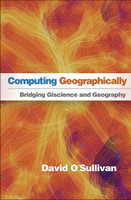
Computing Geographically
Geographic information science (GISc) and systems (GIS) have grown rapidly in recent decades, increasingly on a separate track from geographic thought. As geography's "big ideas"--such as space, place, boundaries, scale, process, and relationality--have evolved, what does this mean for their computational representation? This book considers how ......
Hardback
19-January-2024
RRP:
$154.00
$142.00
Ships in 4-6 business days

Computing Geographically
RRP:
$154.00
$142.00
Description
Geographic information science (GISc) and systems (GIS) have grown rapidly in recent decades, increasingly on a separate track from geographic thought. As geography's "big ideas"--such as space, place, boundaries, scale, process, and relationality--have evolved, what does this mean for their computational representation? This book considers how key concepts have developed in geography and are represented (or not) in GISc, with a view to bridging gaps between the two. David O'Sullivan shows how revisiting the theoretical underpinnings of geography offers insights on enduring GIS challenges--including map projections, the modifiable areal unit problem, scale and map generalization, and the nature of space and place--while also enriching geographic thought. The book uses examples from across geography's subdisciplines to promote understanding. Chapters are self-contained essays that can easily form the basis of classroom discussions.