
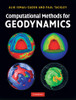
Written as both a textbook and a handy reference, this text deliberately avoids complex mathematics assuming only basic familiarity with geodynamic theory and calculus. Here, the authors have brought together the key numerical techniques for geodynamic modeling, demonstrations of how to solve problems including lithospheric deformation, mantle convection and the geodynamo. Building from a discussion of the fundamental principles of mathematical and numerical modeling, the text moves into critical examinations of each of the different techniques before concluding with a detailed analysis of specific geodynamic applications. Key differences between methods and their respective limitations are also discussed - showing readers when and how to apply a particular method in order to produce the most accurate results. This is an essential text for advanced courses on numerical and computational modeling in geodynamics and geophysics, and an invaluable resource for researchers looking to master cutting-edge techniques. Links to supplementary computer codes are available online.
This book outlines the general trends in igneous evolution throughout the Earth's history and analyses the timing of the major phases of igneous activity in different regions. It summarizes the...
Geodynamics is commonly thought to be one of the subjects which provide the basis for understanding the origin of the visible surface features of the Earth: the latter are usually assumed as having...
This book provides a summary of geodynamic results from Iceland that presently are found in a great number of scientific articles, but have not been collected before in a book. The ever increasing...
Physical and chemical studies of the earth and planets along with their surroundings are now developing very rapidly. As these studies are of essentially international charac ter, many international...