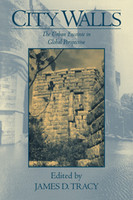
The essays presented in this volume, first published in 2000, describe a phenomenon so widespread in human time and space that its importance is easily overlooked. City walls shaped the history of warfare; the mobilisation of manpower and resources needed to build them favoured some kinds of polities over others; and their massive strength, appropriately ornamented, created a visual language of authority. Previous collective volumes on the subject have dealt mainly with Europe, but the historians and art historians who collaborate here follow a comparative agenda. The millennial practice of wall building that branched out from the ancient Near East into India, Europe, and North Africa shows continuities and points of contact of which the makers of urban fortifications were scarcely aware; separate traditions in China, sub-Saharan Africa, and North America illustrate universal themes of defensive strategy and the symbolism of power, each time embedded in a distinctive local context.
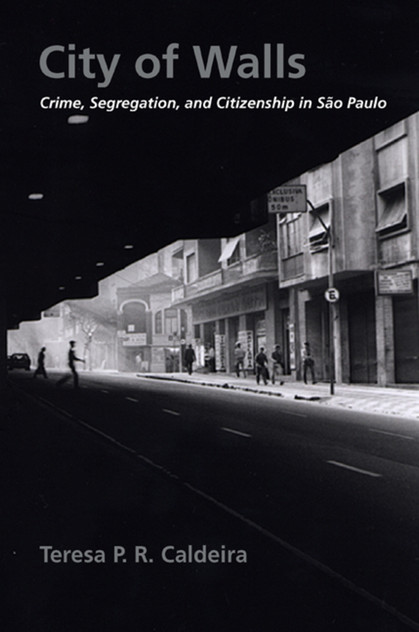
Teresa Caldeira's pioneering study of fear, crime, and segregation in São Paulo poses essential questions about citizenship and urban change in contemporary democratic societies. Focusing on São...
This work has been selected by scholars as being culturally important, and is part of the knowledge base of civilization as we know it.This work is in the "public domain in the United States of...
One of the earliest and most important port cities in the New World, Havana quickly became a model for the planning and construction of other colonial cities. Beyond the Walled City tells the story...