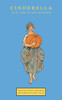
Cinderella's Glass Slipper studies Renaissance material cultures through the literary prism of fairy-tale objects. The literary fairy-tale first arose in Renaissance Venice, originating from oral story-telling traditions that would later become the Arabian Nights, and subsequently in the Parisian salons of Louis XIV. Largely written by, for, and in the name of women, these literary fairy-tales took a lightly comic view of life's vicissitudes, especially female fortune in marriage. Connecting literary representations of bridal goods - dress, jewellery, carriages, toiletries, banqueting and confectionary foods - to the craft histories of their making, this Element offers a newly-contextualised socio-economic account of Renaissance luxe, from architectural interiors to sartorial fashioning and design. By coupling Renaissance luxury wares with their fairy-tale representation, it locates the recherché materialities of bridal goods - gold, silver, diamonds and silk - within expanding colonialist markets of a newly-global early modern economy in the age of discovery.
This book has been considered by academicians and scholars of great significance and value to literature. This forms a part of the knowledge base for future generations. So that the book is never...
The 18th century was a wealth of knowledge, exploration and rapidly growing technology and expanding record-keeping made possible by advances in the printing press. In its...
The 18th century was a wealth of knowledge, exploration and rapidly growing technology and expanding record-keeping made possible by advances in the printing press. In its determination to preserve...
Cinderella is a popular children's fairy tale. In Cinderella, children learn to always be kind, even to those who have wronged them. When Cinderella is kind to others, the beauty inside of her shines...