Tanzania has been independent in 2011 for 50 years. While most neighbouring states have gone through violent conflicts, Tanzania has managed to implement extensive reforms without armed political conflicts, Hence, Tanzania is an interesting case for Peace and Development research. This dissertation analyses the political development in Tanzania since the introduction of the multiparty system in 1992, with a focus on the challenges for the democratisation process in connection with the 2000 and 2005 elections. The question of to what extent Tanzania had moved towards a consolidation of democracy, is analysed by looking at nine different institutions of importance for democratisation grouped in four spheres: the state, the political, civil and economic society. Focus is on the development of the political society, and the role of the opposition in particular. The analysis is based on secondary and primary material collected between September 2000 to April 2010. The main conclusion is that even if the institutions of liberal democracy have gradually developed, in practice single-party rule has continued, manifested in the 2005 election when the CCM won 92% of seats. Despite impressive economic growth, poverty remains deep and has not been substantially reduced. On a theoretical level this brings the old debate between liberal and substantive democracy back to the fore. Neither the economic nor the political reforms have brought about a transformation of the political and economic system resulting in the poor majority gaining substantially more political influence and improved economic conditions. Hence, it is argued that the interface between the economic, political and administrative reforms has not been sufficiently considered in the liberal democratic tradition. Liberal democracy is necessary for a democratic development, but not sufficient for democracy to be consolidated. For that a substantive democratic development is necessary.
Challenges for the Democratisation Process in Tanzania. Moving Towards Consolidation Years After Independence?
RRP:
$131.00
Description
Tanzania has been independent in 2011 for 50 years. While most neighbouring states have gone through violent conflicts, Tanzania has managed to implement extensive reforms without armed political conflicts, Hence, Tanzania is an interesting case for Peace and Development research. This dissertation analyses the political development in Tanzania since the introduction of the multiparty system in 1992, with a focus on the challenges for the democratisation process in connection with the 2000 and 2005 elections. The question of to what extent Tanzania had moved towards a consolidation of democracy, is analysed by looking at nine different institutions of importance for democratisation grouped in four spheres: the state, the political, civil and economic society. Focus is on the development of the political society, and the role of the opposition in particular. The analysis is based on secondary and primary material collected between September 2000 to April 2010. The main conclusion is that even if the institutions of liberal democracy have gradually developed, in practice single-party rule has continued, manifested in the 2005 election when the CCM won 92% of seats. Despite impressive economic growth, poverty remains deep and has not been substantially reduced. On a theoretical level this brings the old debate between liberal and substantive democracy back to the fore. Neither the economic nor the political reforms have brought about a transformation of the political and economic system resulting in the poor majority gaining substantially more political influence and improved economic conditions. Hence, it is argued that the interface between the economic, political and administrative reforms has not been sufficiently considered in the liberal democratic tradition. Liberal democracy is necessary for a democratic development, but not sufficient for democracy to be consolidated. For that a substantive democratic development is necessary.
Are you ready for a life-changing adventure in one of East Africa's most enchanting countries? Whether you're planning to make Tanzania your new home or just dreaming of an extended stay in this...
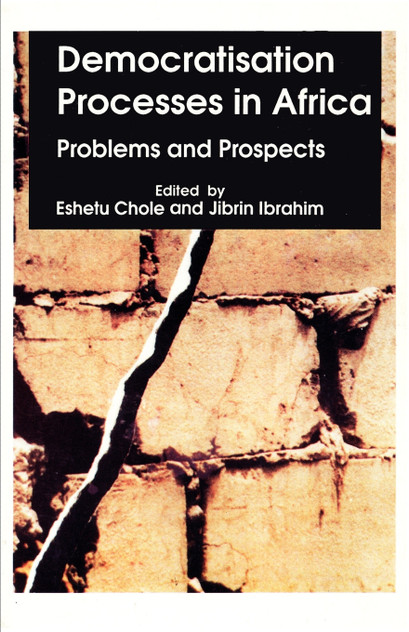
Eight of Africa's most distinguished scholars present reflections and cross-sectional analyses of the social, political and economic transformations in Africa since the end of the 1980s. The papers...
Bringing together valuable insights from research and practice undertaken at the world-famous Pen Green Centre, Democratising Leadership in the Early Years illustrates how settings and practitioners...
What are the issues shaping contemporary African peasant movements? Are they fundamentally democratic or anti-democratic? Are they defensive and local in their organization and aspirations or should...
Discover your next great read at BookLoop, Australiand online bookstore offering a vast selection of titles across various genres and interests. Whether you're curious about what's trending or searching for graphic novels that captivate, thrilling crime and mystery fiction, or exhilarating action and adventure stories, our curated collections have something for every reader. Delve into imaginative fantasy worlds or explore the realms of science fiction that challenge the boundaries of reality. Fans of contemporary narratives will find compelling stories in our contemporary fiction section. Embark on epic journeys with our fantasy and science fiction titles,
Shop Trending Books and New Releases
Explore our new releases for the most recent additions in romance books, fantasy books, graphic novels, crime and mystery books, science fiction books as well as biographies, cookbooks, self help books, tarot cards, fortunetelling and much more. With titles covering current trends, booktok and bookstagram recommendations, and emerging authors, BookLoop remains your go-to local australian bookstore for buying books online across all book genres.
Shop Best Books By Collection
Stay updated with the literary world by browsing our trending books, featuring the latest bestsellers and critically acclaimed works. Explore titles from popular brands like Minecraft, Pokemon, Star Wars, Bluey, Lonely Planet, ABIA award winners, Peppa Pig, and our specialised collection of ADHD books. At BookLoop, we are committed to providing a diverse and enriching reading experience for all.
Sign In
your cart
Your cart is empty
Menu
Search
PRE-SALES
If you have any questions before making a purchase chat with our online operators to get more information.