Inspired by debates among political scientists over the strength and depth of the pre-modern roots of nationalism, this study attempts to gauge the status of ethnic identities in an era whose dominant loyalties and modes of political argument were confessional, institutional and juridical. Colin Kidd's point of departure is the widely shared orthodox belief that the whole world had been peopled by the offspring of Noah. In addition, Kidd probes inconsistencies in national myths of origin and ancient constitutional claims, and considers points of contact which existed in the early modern era between ethnic identities which are now viewed as antithetical, including those of Celts and Saxons. He also argues that Gothicism qualified the notorious Francophobia of eighteenth-century Britons. A wide-ranging example of the new British history, this study draws upon evidence from England, Scotland, Ireland and America, while remaining alert to European comparisons and influences.
This book seeks to examine the ways in which the cinema has defined, mythified and disseminated British national identity during the course of the twentieth century. It takes the form of a series of...
This book offers a major exploration of the social and cultural importance of popular music to contemporary celebrations of Britishness. Rather than providing a history of popular music or an...
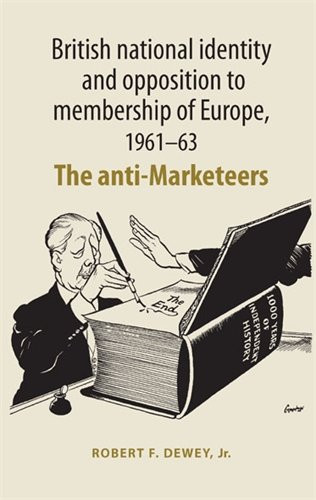
This book provides a comprehensive analysis of the opponents of Britain's first attempt to join the European Economic Community (EEC), between the announcement of Harold Macmillan's new policy...