Trending Bestseller

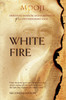
Black Fire on White Fire

Betty Rojtman

No reviews yet Write a Review
Paperback / softback
27-February-1998
$73.00
Ships in 3-5 business days
Hurry up! Current stock:
Using the tools of contemporary semiotic theory to analyze classical rabbinic hermeneutics and medieval mystical exegesis, Betty Rojtman unveils a striking modernity in these early forms of textual interpretation. The metaphor from rabbinic literature that describes the writing of the Torah-black fire on white fire-becomes, in Rojtman's analysis, a figure for the differential structures that can be found throughout rabbinic discourse. Moving through the successive levels of traditional commentary, from early Midrash to modern Kabbalah, Rojtman examines the tension between the fluidity and nuance of the biblical text and the fixed commitment to ideological and theological content. To examine this strain between open text and sacred language, Rojtman scrutinizes the demonstrative, "this," as a word whose significance changes with every change in context. Her analysis suggests a double-layered meaning for "this," which refers to the existential world in its multiplicity but also to transcendence and the eternal presence of God.

This product hasn't received any reviews yet. Be the first to review this product!

$73.00
Ships in 3-5 business days
Hurry up! Current stock:

Black Fire on White Fire

$73.00

Description

Using the tools of contemporary semiotic theory to analyze classical rabbinic hermeneutics and medieval mystical exegesis, Betty Rojtman unveils a striking modernity in these early forms of textual interpretation. The metaphor from rabbinic literature that describes the writing of the Torah-black fire on white fire-becomes, in Rojtman's analysis, a figure for the differential structures that can be found throughout rabbinic discourse. Moving through the successive levels of traditional commentary, from early Midrash to modern Kabbalah, Rojtman examines the tension between the fluidity and nuance of the biblical text and the fixed commitment to ideological and theological content. To examine this strain between open text and sacred language, Rojtman scrutinizes the demonstrative, "this," as a word whose significance changes with every change in context. Her analysis suggests a double-layered meaning for "this," which refers to the existential world in its multiplicity but also to transcendence and the eternal presence of God.

Customers Also Viewed