
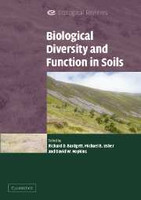
Soil has generally been regarded as something of a 'black box' by ecologists. The importance of soil is obvious: it provides physical support for plants, and both the living and non-living components contribute to a variety of important environmental functions. Soil is a species-rich habitat, but many questions about the ecological significance of the soil's biological diversity, and in particular how it affects ecosystem function, have never been asked. The linkages between above-ground ecology, which is rich in ecological theory, and below-ground ecology, where investigation has been restricted by methodological difficulties, have not been made. Technical developments, including isotopic and molecular methods as well as experimental and modelling approaches, have led to a renaissance in soil biodiversity research. The key areas are reflected in this exciting volume which brings together many leading contributors to explore the role and importance of soil biota.
In arid and semiarid lands throughout the world, where the cover of vegetation is sparse or absent,the open spaces between the higher plants are generally not bare of autotrophic life,but covered by...
The success of shifting cultivation systems developed by subsistence farmers testifies to the resilience of the "natural" soil-plant ecosystems to recover from the offtake of nutrients in crops and...
This accessible and timely book provides a comprehensive overview of how to measure biodiversity. The book highlights new developments, including innovative approaches to measuring taxonomic...