The cumulative effects of pollution have led, in recent years, to increased public concern, which is resulting in stricter legislation on the discharge of wastes in whatever state they are present: gaseous, liquid or solid. The treatment and disposal of wastes has become one of the most important problems facing mankind. This is a problem which will not disappear, and could even worsen, if it is not faced with resolution by all the main parties involved: consumers, governments, producers and scientists. Some wastes could be reused, producing some economic return which could pay for the waste-treatment process. In the best of cases, this could become an economically attractive recycling operation. However, in many situations, waste treatment is considered to be an unproductive process which entails additional costs to an otherwise productive operation. Methods for the removal and purification of wastes (including those considered to be 'toxic wastes', the most dreaded form of pollution), if developed at all, suffer from serious limitations. Two of these are the high energy input into the process and, after the contaminants have been removed, the lingering problem of what to do with them, as they will then exist as some kind of concentrate. The ideal solution is none other than a natural, biological process to degrade wastes. Fortunately, mankind is increasingly choosing that option, as exemplified by the general acceptance of the role of biotechnology in modern society.
The cumulative effects of pollution have led, in recent years, to increased public concern, which is resulting in stricter legislation on the discharge of wastes in whatever state they are present: gaseous, liquid or solid. The treatment and disposal of wastes has become one of the most important problems facing mankind. This is a problem which will not disappear, and could even worsen, if it is not faced with resolution by all the main parties involved: consumers, governments, producers and scientists. Some wastes could be reused, producing some economic return which could pay for the waste-treatment process. In the best of cases, this could become an economically attractive recycling operation. However, in many situations, waste treatment is considered to be an unproductive process which entails additional costs to an otherwise productive operation. Methods for the removal and purification of wastes (including those considered to be 'toxic wastes', the most dreaded form of pollution), if developed at all, suffer from serious limitations. Two of these are the high energy input into the process and, after the contaminants have been removed, the lingering problem of what to do with them, as they will then exist as some kind of concentrate. The ideal solution is none other than a natural, biological process to degrade wastes. Fortunately, mankind is increasingly choosing that option, as exemplified by the general acceptance of the role of biotechnology in modern society.
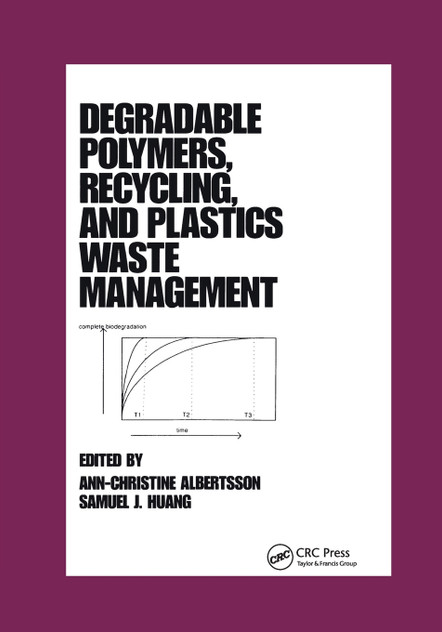
Based on the International Workshop on Controlled Life-Cycle of Polymeric Materials held in Stockholm, this work examines degradable polymers and the recycling of plastic materials. It highlights...
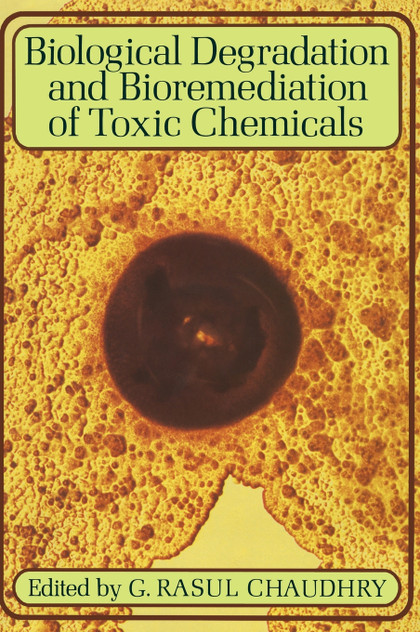
In this book, editor G Rasul Chaudhry presents a wide range of topics authored by researchers at the cutting edge of biodegradation and bioremediation. The book includes recent research describing...
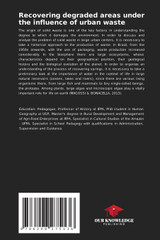
The origin of solid waste is one of the key factors in understanding the degree to which it damages the environment. In order to discuss and analyze the problem of solid waste in large urban centers,...
This title includes a number of Open Access chapters. Intended for a wide audience ranging from engineers and academics to decision-makers in both the public and private sectors, Biological Treatment...
Offering a comprehensive approach, this title covers fundamentals, technologies, and management of biological processing of solid waste. It discusses kinetic modeling and synergistic impact evolution...
Discover your next great read at BookLoop, Australiand online bookstore offering a vast selection of titles across various genres and interests. Whether you're curious about what's trending or searching for graphic novels that captivate, thrilling crime and mystery fiction, or exhilarating action and adventure stories, our curated collections have something for every reader. Delve into imaginative fantasy worlds or explore the realms of science fiction that challenge the boundaries of reality. Fans of contemporary narratives will find compelling stories in our contemporary fiction section. Embark on epic journeys with our fantasy and science fiction titles,
Shop Trending Books and New Releases
Explore our new releases for the most recent additions in romance books, fantasy books, graphic novels, crime and mystery books, science fiction books as well as biographies, cookbooks, self help books, tarot cards, fortunetelling and much more. With titles covering current trends, booktok and bookstagram recommendations, and emerging authors, BookLoop remains your go-to local australian bookstore for buying books online across all book genres.
Shop Best Books By Collection
Stay updated with the literary world by browsing our trending books, featuring the latest bestsellers and critically acclaimed works. Explore titles from popular brands like Minecraft, Pokemon, Star Wars, Bluey, Lonely Planet, ABIA award winners, Peppa Pig, and our specialised collection of ADHD books. At BookLoop, we are committed to providing a diverse and enriching reading experience for all.
Sign In
your cart
Your cart is empty
Menu
Search
PRE-SALES
If you have any questions before making a purchase chat with our online operators to get more information.