sale
Trending Bestseller

Better Left Unsaid

Nora Gilbert

No reviews yet Write a Review
Hardback
200 Pages
RRP: $158.50
$133.00
Ships in 3-5 business days
Hurry up! Current stock:

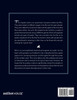
Better Left Unsaid is in the unseemly position of defending censorship from the central allegations that are traditionally leveled against it. Taking two genres generally presumed to have been stymied by the censor's knife-the Victorian novel and classical Hollywood film-this book reveals the varied ways in which censorship, for all its blustery self-righteousness, can actually be good for sex, politics, feminism, and art.

As much as Victorianism is equated with such cultural impulses as repression and prudery, few scholars have explored the Victorian novel as a ""censored"" commodity-thanks, in large part, to the indirectness and intangibility of England's literary censorship process. This indirection stands in sharp contrast to the explicit, detailed formality of Hollywood's infamous Production Code of 1930. In comparing these two versions of censorship, Nora Gilbert explores the paradoxical effects of prohibitive practices. Rather than being ruined by censorship, Victorian novels and Hays Code films were stirred and stimulated by the very forces meant to restrain them.

"

This product hasn't received any reviews yet. Be the first to review this product!

RRP: $158.50
$133.00
Ships in 3-5 business days
Hurry up! Current stock:

Better Left Unsaid

RRP: $158.50
$133.00

Description

Better Left Unsaid is in the unseemly position of defending censorship from the central allegations that are traditionally leveled against it. Taking two genres generally presumed to have been stymied by the censor's knife-the Victorian novel and classical Hollywood film-this book reveals the varied ways in which censorship, for all its blustery self-righteousness, can actually be good for sex, politics, feminism, and art.

As much as Victorianism is equated with such cultural impulses as repression and prudery, few scholars have explored the Victorian novel as a ""censored"" commodity-thanks, in large part, to the indirectness and intangibility of England's literary censorship process. This indirection stands in sharp contrast to the explicit, detailed formality of Hollywood's infamous Production Code of 1930. In comparing these two versions of censorship, Nora Gilbert explores the paradoxical effects of prohibitive practices. Rather than being ruined by censorship, Victorian novels and Hays Code films were stirred and stimulated by the very forces meant to restrain them.

"

Customers Also Viewed