
Trending Bestseller

Beethoven in America

No reviews yet Write a Review
Hardback
432 Pages
$96.56
Ships in 3-5 business days
Hurry up! Current stock:
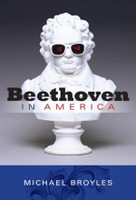
Beethoven permeates American culture. His image appears on countless busts and coffee mugs; his music is heard in movie scores, TV soundtracks, commercials, and pop songs; he is Schroeder's god in Peanuts and Chuck Berry's freaked-out parent in "Roll over Beethoven." In this book, Michael Broyles seeks to understand the composer as he exists in the American imagination and explores how Beethoven became a cultural icon. Broyles examines Beethoven's appearance in a variety of contexts: American commercialism, the Afrocentrist and black power movements, and the modernist critique of Romanticism. He considers portrayals of Beethoven in American film and theater and the uses of his music in film scores, as well as references to Beethoven and his music in disco, country, rock, and rap. In the end, he shows that to examine Beethoven on American soil is to examine America itself.
Book Details
ISBN-13
9780253357045
Author
Michael Broyles
Format
Hardback
Pages
432

This product hasn't received any reviews yet. Be the first to review this product!

$96.56
Ships in 3-5 business days
Hurry up! Current stock:

Beethoven in America

$96.56

Description

Beethoven permeates American culture. His image appears on countless busts and coffee mugs; his music is heard in movie scores, TV soundtracks, commercials, and pop songs; he is Schroeder's god in Peanuts and Chuck Berry's freaked-out parent in "Roll over Beethoven." In this book, Michael Broyles seeks to understand the composer as he exists in the American imagination and explores how Beethoven became a cultural icon. Broyles examines Beethoven's appearance in a variety of contexts: American commercialism, the Afrocentrist and black power movements, and the modernist critique of Romanticism. He considers portrayals of Beethoven in American film and theater and the uses of his music in film scores, as well as references to Beethoven and his music in disco, country, rock, and rap. In the end, he shows that to examine Beethoven on American soil is to examine America itself.