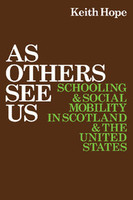
In comparing the educational systems of Scotland and the United States, Keith Hope argues that the Scottish selective system is more successful in advancing students on the basis of intelligence and merit than is the comprehensive American system. Based on some unique longitudinal data assembled between 1947 and 1964 by the Mental Survey Committee of the Scottish Council for Research in Education, his work offers definitions and models for assessing the contribution of intelligence to processes of social mobility. Dr Hope also introduces a major distinction - between 'disadvantage' and 'deprivation' - which he uses to identify a particular type of childhood disability as being likely to have an adverse effect on life-chances. The book concludes with an account of the divergent meanings of the word 'merit' in the United States and Britain that shows how this difference is rooted in the intellectual traditions of the two countries' bureaucracies.
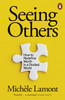
From internationally renowned sociologist Mich le Lamont, a game-changing argument about what we value and whyHow do we measure our self-worth?For many of us, it signifies accomplishment,...
See As No Other is a collection of photographs from the Blind With Camera project started by Partho Bhowmick in Mumbai in 2006. Over the years, hundreds of visually impaired have been trained in...
A powerful appeal for the recognition of others and their value, illuminating an inclusive path forwardHow do we measure our self-worth?For many of us, it signifies accomplishment, self-reliance, and...