The result of extensive archival recovery work, Ellen Brinks's study fills a significant gap in our understanding of women's literary history of the South Asian subcontinent under colonialism and of Indian women's contributions and responses to developing cultural and political nationalism. As Brinks shows, the invisibility of Anglophone Indian women writers cannot be explained simply as a matter of colonial marginalization or as a function of dominant theoretical approaches that reduce Indian women to the status of figures or tropes. The received narrative that British imperialism in India was perpetuated with little cultural contact between the colonizers and the colonized population is complicated by writers such as Toru Dutt, Krupabai Satthianadhan, Pandita Ramabai, Cornelia Sorabji, and Sarojini Naidu. All five women found large audiences for their literary works in India and in Great Britain, and all five were also deeply rooted in and connected to both South Asian and Western cultures. Their works created new zones of cultural contact and exchange that challenge postcolonial theory's tendencies towards abstract notions of the colonized women as passive and of English as a de-facto instrument of cultural domination. Brinks's close readings of these texts suggest new ways of reading a range of issues central to postcolonial studies: the relationship of colonized women to the metropolitan (literary) culture; Indian and English women's separate and joint engagements in reformist and nationalist struggles; the 'translatability' of culture; the articulation strategies and complex negotiations of self-identification of Anglophone Indian women writers; and the significance and place of cultural difference.
The result of extensive archival recovery work, Ellen Brinks's study fills a significant gap in our understanding of women's literary history of the South Asian subcontinent under colonialism and of Indian women's contributions and responses to developing cultural and political nationalism. As Brinks shows, the invisibility of Anglophone Indian women writers cannot be explained simply as a matter of colonial marginalization or as a function of dominant theoretical approaches that reduce Indian women to the status of figures or tropes. The received narrative that British imperialism in India was perpetuated with little cultural contact between the colonizers and the colonized population is complicated by writers such as Toru Dutt, Krupabai Satthianadhan, Pandita Ramabai, Cornelia Sorabji, and Sarojini Naidu. All five women found large audiences for their literary works in India and in Great Britain, and all five were also deeply rooted in and connected to both South Asian and Western cultures. Their works created new zones of cultural contact and exchange that challenge postcolonial theory's tendencies towards abstract notions of the colonized women as passive and of English as a de-facto instrument of cultural domination. Brinks's close readings of these texts suggest new ways of reading a range of issues central to postcolonial studies: the relationship of colonized women to the metropolitan (literary) culture; Indian and English women's separate and joint engagements in reformist and nationalist struggles; the 'translatability' of culture; the articulation strategies and complex negotiations of self-identification of Anglophone Indian women writers; and the significance and place of cultural difference.
Science fiction, as a literature of fantasy, goes beyond the mundane to ask the question: what if the world were different from the way it is? It often challenges the real, builds on imagination,...
This work has been selected by scholars as being culturally important, and is part of the knowledge base of civilization as we know it. This work was reproduced from the original artifact, and...
This scarce antiquarian book is a facsimile reprint of the original. Due to its age, it may contain imperfections such as marks, notations, marginalia and flawed pages. Because we believe this work...
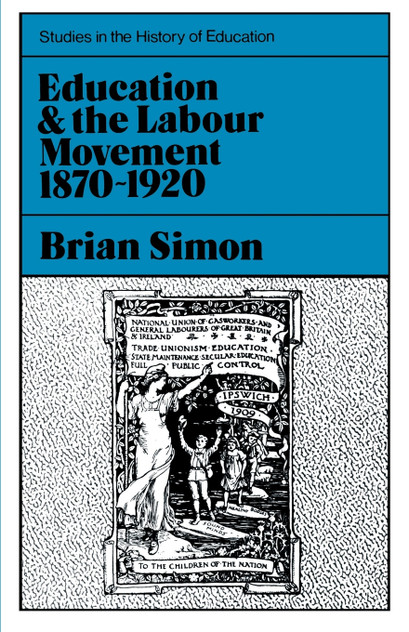
The second of four studies in the "History of Education in England", this volume traces developments from the securing of universal education with the Act of 1870 to the conclusion of the First World...
Discover your next great read at BookLoop, Australiand online bookstore offering a vast selection of titles across various genres and interests. Whether you're curious about what's trending or searching for graphic novels that captivate, thrilling crime and mystery fiction, or exhilarating action and adventure stories, our curated collections have something for every reader. Delve into imaginative fantasy worlds or explore the realms of science fiction that challenge the boundaries of reality. Fans of contemporary narratives will find compelling stories in our contemporary fiction section. Embark on epic journeys with our fantasy and science fiction titles,
Shop Trending Books and New Releases
Explore our new releases for the most recent additions in romance books, fantasy books, graphic novels, crime and mystery books, science fiction books as well as biographies, cookbooks, self help books, tarot cards, fortunetelling and much more. With titles covering current trends, booktok and bookstagram recommendations, and emerging authors, BookLoop remains your go-to local australian bookstore for buying books online across all book genres.
Shop Best Books By Collection
Stay updated with the literary world by browsing our trending books, featuring the latest bestsellers and critically acclaimed works. Explore titles from popular brands like Minecraft, Pokemon, Star Wars, Bluey, Lonely Planet, ABIA award winners, Peppa Pig, and our specialised collection of ADHD books. At BookLoop, we are committed to providing a diverse and enriching reading experience for all.
Sign In
your cart
Your cart is empty
Menu
Search
PRE-SALES
If you have any questions before making a purchase chat with our online operators to get more information.