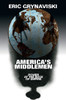
Throughout American political history, the US government has formed alliances with militias, tribes, and rebels. Sometimes, these alliances have been successful, dramatically reshaping the battlefield. But these alliances have also risked creating larger wars in regions where the United States had no real interest. Understanding these alliances - and much of American political history - requires moving beyond our normal focus on traditional diplomats or social elites. Traders, missionaries, former slaves, and low-level government employees drove these alliances. These intermediaries used their relationships across borders to shape security politics, affecting American and thereby world history. Skillfully integrating political science with history and sociology, Eric Grynaviski provides a novel account of who matters and why in international politics. By developing broader views about political agency - how people come to make a difference in world politics - he brings into focus new histories of world politics and how they matter for scholars and the public.
It is the sixties in the century of middlemen. Meet the cast: Rusty Conway, Chief Public Relations Officer of U.V.I, a company whose dress fabrics, manufactured from sand and saltpetre, have an...
This is a reproduction of a book published before 1923. This book may have occasional imperfections such as missing or blurred pages, poor pictures, errant marks,...
This work has been selected by scholars as being culturally important, and is part of the knowledge base of civilization as we know it. This work was reproduced from the original artifact, and...