A new look at the interrelationship of architecture and sculpture during one of the richest periods of American modern design Alloys looks at a unique period of synergy and exchange in the postwar United States, when sculpture profoundly shaped architecture, and vice versa. Leading architects such as Gordon Bunshaft and Eero Saarinen turned to sculptors including Harry Bertoia, Alexander Calder, Richard Lippold, and Isamu Noguchi to produce site-determined, large-scale sculptures tailored for their buildings' highly visible and well-traversed threshold spaces. The parameters of these spaces-atriums, lobbies, plazas, and entryways-led to various designs like sculptural walls, ceilings, and screens that not only embraced new industrial materials and processes, but also demonstrated art's ability to merge with lived architectural spaces. Marin Sullivan argues that these sculptural commissions represent an alternate history of midcentury American art. Rather than singular masterworks by lone geniuses, some of the era's most notable spaces-Philip Johnson's Four Seasons Restaurant in Mies van der Rohe's Seagram Building, Max Abramovitz's Philharmonic Hall at Lincoln Center, and Pietro Belluschi and Walter Gropius's Pan Am Building-would be diminished without the collaborative efforts of architects and artists. At the same time, the artistic creations within these spaces could not exist anywhere else. Sullivan shows that the principle of synergy provides an ideal framework to assess this pronounced relationship between sculpture and architecture. She also explores the afterlives of these postwar commissions in the decades since their construction. A fresh consideration of sculpture's relationship to architectural design and functionality following World War II, Alloys highlights the affinities between the two fields and the ways their connections remain with us today.
A new look at the interrelationship of architecture and sculpture during one of the richest periods of American modern design Alloys looks at a unique period of synergy and exchange in the postwar United States, when sculpture profoundly shaped architecture, and vice versa. Leading architects such as Gordon Bunshaft and Eero Saarinen turned to sculptors including Harry Bertoia, Alexander Calder, Richard Lippold, and Isamu Noguchi to produce site-determined, large-scale sculptures tailored for their buildings' highly visible and well-traversed threshold spaces. The parameters of these spaces-atriums, lobbies, plazas, and entryways-led to various designs like sculptural walls, ceilings, and screens that not only embraced new industrial materials and processes, but also demonstrated art's ability to merge with lived architectural spaces. Marin Sullivan argues that these sculptural commissions represent an alternate history of midcentury American art. Rather than singular masterworks by lone geniuses, some of the era's most notable spaces-Philip Johnson's Four Seasons Restaurant in Mies van der Rohe's Seagram Building, Max Abramovitz's Philharmonic Hall at Lincoln Center, and Pietro Belluschi and Walter Gropius's Pan Am Building-would be diminished without the collaborative efforts of architects and artists. At the same time, the artistic creations within these spaces could not exist anywhere else. Sullivan shows that the principle of synergy provides an ideal framework to assess this pronounced relationship between sculpture and architecture. She also explores the afterlives of these postwar commissions in the decades since their construction. A fresh consideration of sculpture's relationship to architectural design and functionality following World War II, Alloys highlights the affinities between the two fields and the ways their connections remain with us today.
In this scholarly work, two leading metallurgists explore the properties and uses of chromium alloys. With detailed information on the metallurgy, fabrication, and properties of chromium and its...
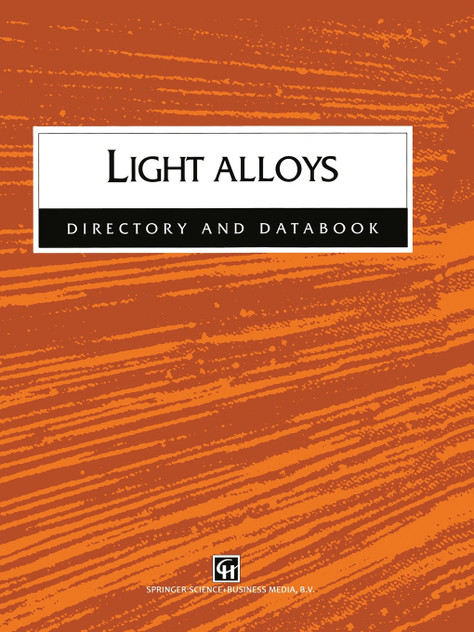
Light Alloys Directory and Databook is a world-wide directory of the properties and suppliers of light alloys used in, or proposed for, numerous engineering applications. Alloys covered will ...
Discover your next great read at BookLoop, Australiand online bookstore offering a vast selection of titles across various genres and interests. Whether you're curious about what's trending or searching for graphic novels that captivate, thrilling crime and mystery fiction, or exhilarating action and adventure stories, our curated collections have something for every reader. Delve into imaginative fantasy worlds or explore the realms of science fiction that challenge the boundaries of reality. Fans of contemporary narratives will find compelling stories in our contemporary fiction section. Embark on epic journeys with our fantasy and science fiction titles,
Shop Trending Books and New Releases
Explore our new releases for the most recent additions in romance books, fantasy books, graphic novels, crime and mystery books, science fiction books as well as biographies, cookbooks, self help books, tarot cards, fortunetelling and much more. With titles covering current trends, booktok and bookstagram recommendations, and emerging authors, BookLoop remains your go-to local australian bookstore for buying books online across all book genres.
Shop Best Books By Collection
Stay updated with the literary world by browsing our trending books, featuring the latest bestsellers and critically acclaimed works. Explore titles from popular brands like Minecraft, Pokemon, Star Wars, Bluey, Lonely Planet, ABIA award winners, Peppa Pig, and our specialised collection of ADHD books. At BookLoop, we are committed to providing a diverse and enriching reading experience for all.
Sign In
your cart
Your cart is empty
Menu
Search
PRE-SALES
If you have any questions before making a purchase chat with our online operators to get more information.