Trending Bestseller

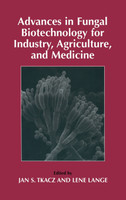
Advances in Fungal Biotechnology for Industry, Agriculture, and Medicine

Jan S. Tkacz

No reviews yet Write a Review
Hardback
04 June 2004
$151.00
Ships in 5–7 business days
Hurry up! Current stock:
I. Genetic Technology.- 1. Practical Molecular Taxonomy of Fungi.- 1. Introduction.- 2. Identifying a Fungus to Species-What does it Mean?.- 2.1. Useful Species Definitions.- 2.2. Genealogical Concordance as a Means to Recognize Fungal Species.- 2.3. Molecular Taxonomy in Practice.- 3. How do I Identify an Unknown Fungus?.- 3.1 The Molecular Toolbox.- 3.1.1. DNA Sequence Tools.- 3.1.2. Genotyping Methods: Comparing and Identifying Isolates within a Species.- 3.2. Using the Toolbox.- 3.2.1. Tools for Identifying any Fungus.- 3.2.2. Tools for Identifying Fungi in a Particular Taxonomic Group of Intensive Study.- 4. What is Next?.- References.- Genomics of Filamentous Fungi.- 1. Introduction.- 2. Genomic Projects Focusing on Fungi.- 3. Genome Structure.- 4. Gene Identification and Annotation.- 5. Gene Complement of a Filamentous Fungus.- 6. Novel Aspects of Fungal Biology.- 7. Summary.- References.- A Molecular Tool Kit for Fungal Biotechnology.- 1. Introduction.- 2. Vectors and Transformation.- 3. Gene Cloning Tools for Genomic Approaches.- 4. Fungal Transposons as Tools.- 5. Tools for Identifying Essential Genes.- 5.1. Generating Conditional Lethal Mutants.- 5.2. Inference.- 5.3. Using Controllable Promoters.- 5.4. Post-Transcriptional Gene Silencing (PTGS).- 6. Genome-Based Tools.- 6.1. Genome-Wide Insertional Mutagenesis.- 6.2. Genome-Shuffling.- 7. Summary.- References.- Transformation Mediated by Agrobacterium tumefaciens.- 1. Introduction.- 2. Agrobacterium.- 3. Host Range.- 4. T-DNA Transfer Resembles Bacterial Conjugation.- 5. Accessory Functions Enabling Trans-Kingdom DNA Transfer.- 6. Protein Translocation from Agrobacterium into Host Cells.- 7. T-DNA Integration.- 8. Agrobacterium-Based Vector Systems.- 9. Transformation of Yeasts and Filamentous Fungi.- 10. Concluding Remarks.- 11. References.- II. Special (Secondary) Metabolism.- 5. Fungal Polyketide Synthases in the Information Age.- 1. Introduction.- 1.1. Secondary Metabolites.- 1.2. Polyketides.- 1.3. Types of Polyketide Synthase.- 2. Non-Fungal PKS.- 3. Fungal PKS.- 3.1. 6-Methylsalicyclic Acid Synthase.- 3.2. Fungal PKS Involved in Biosynthesis of Conidial Pigment and Melanin.- 3.3. Fungal Polyketide Mycotoxins-Norsolorinic Acid Synthase (NAS).- 3.4. Polyketide Synthase in T-Toxin Production.- 3.5. Polyketide Synthase in Fumonisin Production.- 3.6. Lovastatin Synthases.- 4. Novel Methods for Accessing PKS Genes.- 4.1. Problems Associated with Cloning Fungal PKS Genes.- 4.2. Early Efforts to Develop Fungal PKS Probes.- 4.3. Assessing Biosynthetic Potential.- 4.3.1. Prokaryotes.- 4.3.2. Lichens.- 4.3.3. Insect and Nematode Associated Fungi.- 4.3.4. Endophytic Fungi.- 4.4 Biosynthetically Informed Approaches for Accessing Fungal PKS Genes.- 4.4.1. KS-Specific Primers.- 4.4.2. KR-Specific Primers.- 4.4.3. CmeT-Specific Primers.- 4.4.4. Lessons and Outlook.- 5. The Genomic Era.- References.- More Functions for Multifunctional Polyketide Synthases.- 1. Introduction.- 2. Architecture and Functions of Fungal Polyketide Synthases.- 2.1. MSAS/OAS Polyketide Synthases.- 2.2. Polyketide Synthases for Aromatic Multi-Ring Products (AR-PKSs).- 2.2.1. Pentaketide 1,3,6,8-Tetrahydroxynaphthalene Synthases.- 2.2.2. Heptaketide Naphthopyrone Synthases.- 2.2.3. PKSs Involved in Aflatoxin Biosynthesis.- 2.3 Polyketide Synthases for Reduced Products (RD-PKSs).- 2.3.1. T-toxin PKS.- 2.3.2. PKSs Involved in Lovastatin Biosynthesis.- 2.3.3. Fumonisin PKS.- 2.3.4. RD-PKS from Alternaría solani.- 3. More Functions for Fungal Polyketide Synthases.- 3.2.1. Claisen Cyclase Domain in AR-PKSs.- 3.2.2. More Functions for AR-PKSs.- 3.2.1. Starter Units.- 3.2.2. N-Termini.- 3.2.3. Interdomain Regions.- 3.2.4. ACP Domains.- 3.3. C-Methyltransferase Domains in RD-PKSs.- 3.4. PSED (Peptide Synthetase Elongation Domain)-Like Domains in RD-PKSs.- 3.5. "Diels-Alderase" in RD-PKSs.- 4. Concluding Remarks.- Acknowledgments.- References.- Peptide Synthesis Without Ribosomes.- 1. Introduction.- 2. Overvi

This product hasn't received any reviews yet. Be the first to review this product!

$151.00
Ships in 5–7 business days
Hurry up! Current stock:

Advances in Fungal Biotechnology for Industry, Agriculture, and Medicine

$151.00

Description

I. Genetic Technology.- 1. Practical Molecular Taxonomy of Fungi.- 1. Introduction.- 2. Identifying a Fungus to Species-What does it Mean?.- 2.1. Useful Species Definitions.- 2.2. Genealogical Concordance as a Means to Recognize Fungal Species.- 2.3. Molecular Taxonomy in Practice.- 3. How do I Identify an Unknown Fungus?.- 3.1 The Molecular Toolbox.- 3.1.1. DNA Sequence Tools.- 3.1.2. Genotyping Methods: Comparing and Identifying Isolates within a Species.- 3.2. Using the Toolbox.- 3.2.1. Tools for Identifying any Fungus.- 3.2.2. Tools for Identifying Fungi in a Particular Taxonomic Group of Intensive Study.- 4. What is Next?.- References.- Genomics of Filamentous Fungi.- 1. Introduction.- 2. Genomic Projects Focusing on Fungi.- 3. Genome Structure.- 4. Gene Identification and Annotation.- 5. Gene Complement of a Filamentous Fungus.- 6. Novel Aspects of Fungal Biology.- 7. Summary.- References.- A Molecular Tool Kit for Fungal Biotechnology.- 1. Introduction.- 2. Vectors and Transformation.- 3. Gene Cloning Tools for Genomic Approaches.- 4. Fungal Transposons as Tools.- 5. Tools for Identifying Essential Genes.- 5.1. Generating Conditional Lethal Mutants.- 5.2. Inference.- 5.3. Using Controllable Promoters.- 5.4. Post-Transcriptional Gene Silencing (PTGS).- 6. Genome-Based Tools.- 6.1. Genome-Wide Insertional Mutagenesis.- 6.2. Genome-Shuffling.- 7. Summary.- References.- Transformation Mediated by Agrobacterium tumefaciens.- 1. Introduction.- 2. Agrobacterium.- 3. Host Range.- 4. T-DNA Transfer Resembles Bacterial Conjugation.- 5. Accessory Functions Enabling Trans-Kingdom DNA Transfer.- 6. Protein Translocation from Agrobacterium into Host Cells.- 7. T-DNA Integration.- 8. Agrobacterium-Based Vector Systems.- 9. Transformation of Yeasts and Filamentous Fungi.- 10. Concluding Remarks.- 11. References.- II. Special (Secondary) Metabolism.- 5. Fungal Polyketide Synthases in the Information Age.- 1. Introduction.- 1.1. Secondary Metabolites.- 1.2. Polyketides.- 1.3. Types of Polyketide Synthase.- 2. Non-Fungal PKS.- 3. Fungal PKS.- 3.1. 6-Methylsalicyclic Acid Synthase.- 3.2. Fungal PKS Involved in Biosynthesis of Conidial Pigment and Melanin.- 3.3. Fungal Polyketide Mycotoxins-Norsolorinic Acid Synthase (NAS).- 3.4. Polyketide Synthase in T-Toxin Production.- 3.5. Polyketide Synthase in Fumonisin Production.- 3.6. Lovastatin Synthases.- 4. Novel Methods for Accessing PKS Genes.- 4.1. Problems Associated with Cloning Fungal PKS Genes.- 4.2. Early Efforts to Develop Fungal PKS Probes.- 4.3. Assessing Biosynthetic Potential.- 4.3.1. Prokaryotes.- 4.3.2. Lichens.- 4.3.3. Insect and Nematode Associated Fungi.- 4.3.4. Endophytic Fungi.- 4.4 Biosynthetically Informed Approaches for Accessing Fungal PKS Genes.- 4.4.1. KS-Specific Primers.- 4.4.2. KR-Specific Primers.- 4.4.3. CmeT-Specific Primers.- 4.4.4. Lessons and Outlook.- 5. The Genomic Era.- References.- More Functions for Multifunctional Polyketide Synthases.- 1. Introduction.- 2. Architecture and Functions of Fungal Polyketide Synthases.- 2.1. MSAS/OAS Polyketide Synthases.- 2.2. Polyketide Synthases for Aromatic Multi-Ring Products (AR-PKSs).- 2.2.1. Pentaketide 1,3,6,8-Tetrahydroxynaphthalene Synthases.- 2.2.2. Heptaketide Naphthopyrone Synthases.- 2.2.3. PKSs Involved in Aflatoxin Biosynthesis.- 2.3 Polyketide Synthases for Reduced Products (RD-PKSs).- 2.3.1. T-toxin PKS.- 2.3.2. PKSs Involved in Lovastatin Biosynthesis.- 2.3.3. Fumonisin PKS.- 2.3.4. RD-PKS from Alternaría solani.- 3. More Functions for Fungal Polyketide Synthases.- 3.2.1. Claisen Cyclase Domain in AR-PKSs.- 3.2.2. More Functions for AR-PKSs.- 3.2.1. Starter Units.- 3.2.2. N-Termini.- 3.2.3. Interdomain Regions.- 3.2.4. ACP Domains.- 3.3. C-Methyltransferase Domains in RD-PKSs.- 3.4. PSED (Peptide Synthetase Elongation Domain)-Like Domains in RD-PKSs.- 3.5. "Diels-Alderase" in RD-PKSs.- 4. Concluding Remarks.- Acknowledgments.- References.- Peptide Synthesis Without Ribosomes.- 1. Introduction.- 2. Overvi

Customers Also Viewed

Buy Books Online at BookLoop

Discover your next great read at BookLoop, Australiand online bookstore offering a vast selection of titles across various genres and interests. Whether you're curious about what's trending or searching for graphic novels that captivate, thrilling crime and mystery fiction, or exhilarating action and adventure stories, our curated collections have something for every reader. Delve into imaginative fantasy worlds or explore the realms of science fiction that challenge the boundaries of reality. Fans of contemporary narratives will find compelling stories in our contemporary fiction section. Embark on epic journeys with our fantasy and science fiction titles,

Shop Trending Books and New Releases

Explore our new releases for the most recent additions in romance books, fantasy books, graphic novels, crime and mystery books, science fiction books as well as biographies, cookbooks, self help books, tarot cards, fortunetelling and much more. With titles covering current trends, booktok and bookstagram recommendations, and emerging authors, BookLoop remains your go-to local australian bookstore for buying books online across all book genres.

Shop Best Books By Collection

Stay updated with the literary world by browsing our trending books, featuring the latest bestsellers and critically acclaimed works. Explore titles from popular brands like Minecraft, Pokemon, Star Wars, Bluey, Lonely Planet, ABIA award winners, Peppa Pig, and our specialised collection of ADHD books. At BookLoop, we are committed to providing a diverse and enriching reading experience for all.