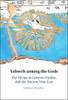
In this study, Michael Hundley explores the diverse deities of ancient Near Eastern and biblical literature, from deified doors and diseases to the masters of the universe. Using data from Mesopotamia, Hittite Anatolia, Egypt, the Levant, and non-priestly Genesis and Exodus, Hundley explains their context-specific approach to deity, which produces complex and seemingly contradictory portraits. He suggests that ancient deities gained prominence primarily by co-opting the attributes of other deities, rather than by denying their existence or inventing new powers. He demonstrates that the primary difference between biblical and ancient Near Eastern presentations lies in their rhetorical goals, not their conceptions of gods. While others promote divine supremacy, Genesis and Exodus promote exclusive worship. Hundley argues that this monolatry redefined the biblical divine sphere and paved the way for the later development of monotheism and monotheistic explanations of evil.
I was a member of the highschool class of 1957. When the statler brothers came out with the song the "class of 57" that said the class of 57 had a dream we all thought we would change the world with...
31 Days of Empowerment is filled with inspirational words of encouragement, scripture references, and some of my prayers. I believe in my heart that this book is designed for readers pursuing a...
ARE WE WORSHIPING A FAKE GOD? How Babylonian and Phoenician Gods Became Yahweh and the God of Christians!Published by Times Square Press, New York, Berlin.An Explosive yet authoritative book which...