Word and Image in Japanese Cinema examines the complex relationship between the temporal order of linguistic narrative and the spatiality of visual spectacle, a dynamic that has played an important role in much of Japanese film. The tension between the controlling order of words and the liberating fragmentation of images has been an important force that has shaped modern culture in Japan and that has also determined the evolution of its cinema. In exploring the rift between word and image, the essays in this volume clarify the cultural imperatives that Japanese cinema reflects, as well as the ways in which the dialectic of word and image has informed the understanding and critical reception of Japanese cinema in the West.
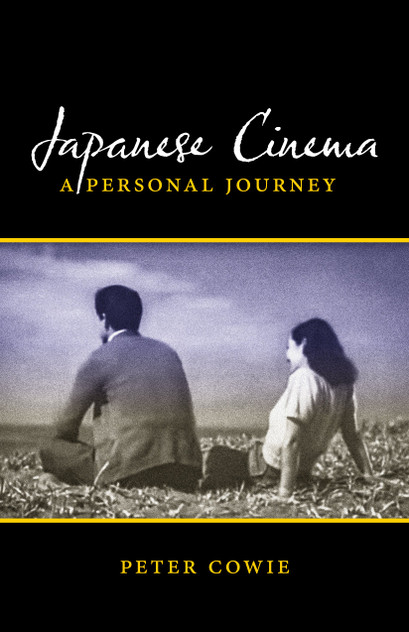
An informal yet informed journey through the classic works of Japanese cinema and their directors.This is a passionate, personal journey through one of the world's greatest national cinemas,...
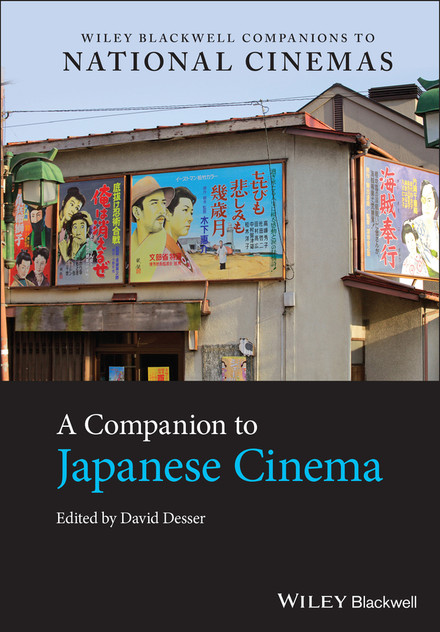
Go beyond Kurosawa and discover an up-to-date and rigorous examination of historical and modern Japanese cinema In A Companion to Japanese Cinema, distinguished cinematic researcher David...
Over the last 20 years, ethnic minority groups have been increasingly featured in Japanese Films. However, the way these groups are presented has not been a subject of investigation. This study...
In The End of Japanese Cinema Alexander Zahlten moves film theory beyond the confines of film itself, attending to the emergence of new kinds of aesthetics, politics, temporalities, and...