


Trending Bestseller
When Soldiers Fall
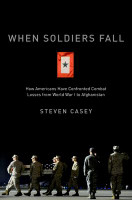
When Soldiers Fall traces the history of American combat losses and the ways in which the government has reported casualties from WWI to the current War on Terror.
Hardback
30-May-2013
336 Pages
RRP:
$113.95
$64.00
Ships in 3-5 business days

When Soldiers Fall
RRP:
$113.95
$64.00
Description
Call it the Vietnam Syndrome or Black Hawk Down blowback. It's the standard assumption that Americans won't tolerate combat casualties, that a rising body count lowers support for war. But that's not true, argues historian Steven Casey; even worse, this assumption damages democracy. Fearing a backlash, the military has routinely distorted its casualty reports in order to hide the true cost of war. When Soldiers Fall takes a new look at
the way Americans have dealt with the toll of armed conflict. Drawing on a vast array of sources, from George Patton's command papers to previously untapped New York Times archives, Casey ranges from World War
I (when the U.S. government first began to report casualties) to the War on Terror, examining official policy, the press, and the public reaction. Not surprisingly, leaders from Douglas MacArthur to Donald Rumsfeld have played down casualties. But the reverse has sometimes been true. At a crucial moment in World War II, the military actually exaggerated casualties to counter the public's complacency about ultimate victory. More often, though, official announcements have been unclear, out of
date, or deliberately misleading--resulting in media challenges. In World War I, reporters had to rely on figures published by the enemy; in World War II, the armed forces went for an entire year without
releasing casualty tallies. Casey discusses the impact of changing presidential administrations, the role of technology, the dispersal of correspondents to cover multiple conflicts, and the enormous improvements in our ability to identify bodies. Recreating the controversies that have surrounded key battles, from the Meuse-Argonne to the Tet Offensive to Fallujah, the author challenges the formula that higher losses lower support for war. Integrating military, political,
and media history, When Soldiers Fall provides the first in-depth account of the impact of battlefield losses in America.
You May Like


When The Soldiers Came
When the Nazis invade France Leanne Martin's world is flipped on end. Unable to stay with those she loves, she is sent to a home to live with others like her. Friendships grow, and when danger...
$26.00