This is the first large-scale study of conduct in warfare and the nature of chivalry in the Anglo-Norman period. The extent to which the knighthood consciously sought to limit the extent of fatalities among its members is explored through a study of notions of a 'brotherhood in arms', the actualities of combat and the effectiveness of armour, the treatment of prisoners, and the workings of ransom. Were there 'laws of war' in operation in the eleventh and twelfth centuries and, if so, were they binding? How far did notions of honour affect knights' actions in war itself? Conduct in war against an opposing suzerain such as the Capetian king is contrasted to behaviour in situations of rebellion and of civil war. An overall context is provided by an examination of the behaviour in war of the Scots and the mercenary routiers, both accused of perpetrating 'atrocities'.
This book is meant to be a guide book for warriors of they are willing to think 'out of the box'. It has some history, some fiction, some philosophy, some discussion of theology, some advice to young...
This work has been selected by scholars as being culturally important, and is part of the knowledge base of civilization as we know it. This work was reproduced from the original artifact, and...
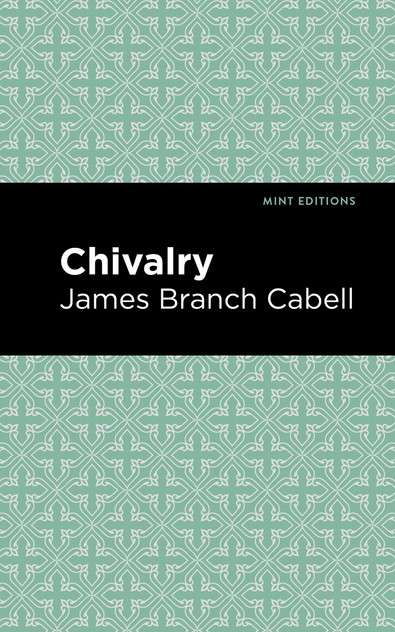
Chivalry (1909) is a fascinating collection of tales that draw inspiration from the popular chronicles of medieval Europe. Author James Branch Cabell immerses his reader into this distant world ,...